

The Sound Journey of Seiko Alarm Clocks
In the morning, an alarm clock says “Good morning!” and wakes you up. It’s an important tool that helps everyone start the day. Maybe your very first clock was an alarm clock!
Seiko made Japan’s first alarm clock in 1899, 127 years ago! Since then, Seiko has made many different alarm clocks to help people every day.
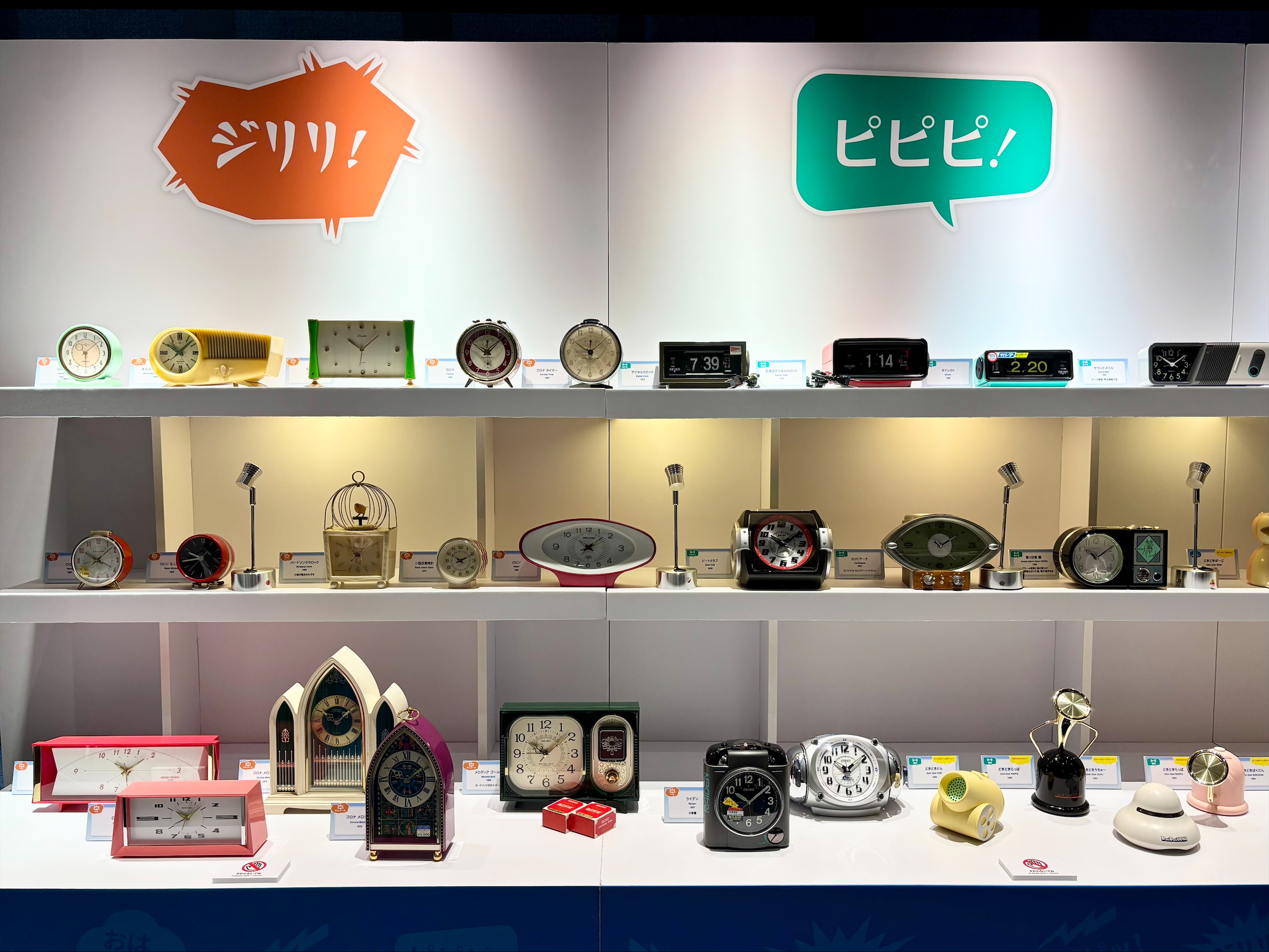
In this exhibition, you can see how Seiko’s alarm clocks have changed over time, especially their sounds.
You might even find some old clocks or funny ones! Come and take a look!
1 | A Story of Seiko’s Alarm Clocks
Since Seiko made Japan’s very first alarm clock in 1899, the company has created many kinds of clocks to help people wake up.
In 1962, Seiko introduced the portable “Trip-mate,” followed by the “Hi-Alarm” in 1964, Japan’s first battery-powered alarm clock.
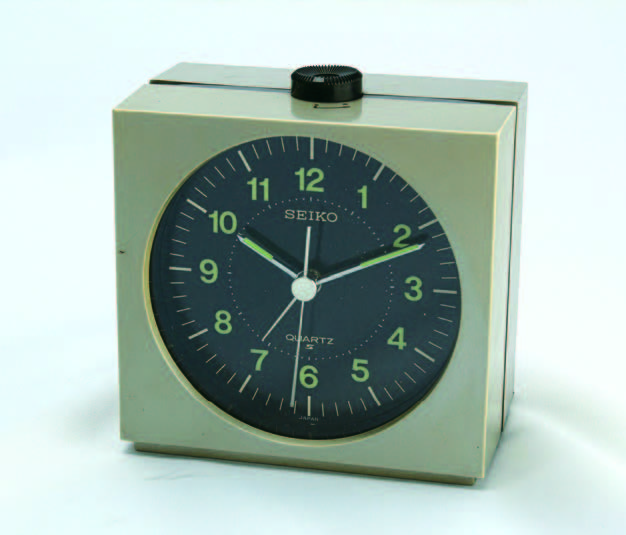
Then, in 1976, Seiko introduced the World’s first quartz alarm clock, which used a quartz crystal to keep very accurate time.
With advances in IC technology, it became possible for clocks to play melodies with beautiful chords or even talk to you!
2 | Is This a Clock Too? Fun Trivia About Alarm Clocks!
Alarm clocks have been around for a very long time! People all over the world tried to make ways to wake up on time, even before mechanical clocks were invented. Here are some fun and cool facts about alarm clocks.
They show how people have always tried not to oversleep!
There Were Alarm Clocks Even in Ancient Times!
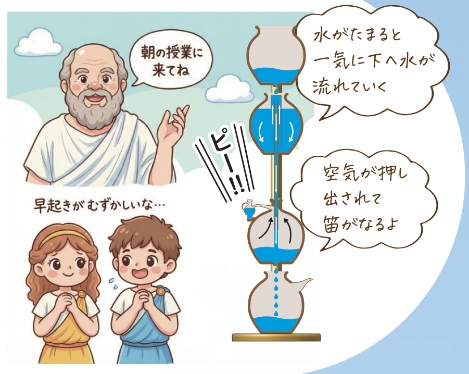
In the 4th century BCE, the Greek philosopher Plato made a special water alarm clock so that students could wake up and join his early morning lessons.
Here is how it worked. When a bowl filled with enough water, the water suddenly flowed into the bowl below. The air inside the lower bowl was pushed out by the water, and this air blew a small whistle attached to the top.
The whistle made a sound that woke people up.
A Candle Alarm Clock Was Used!
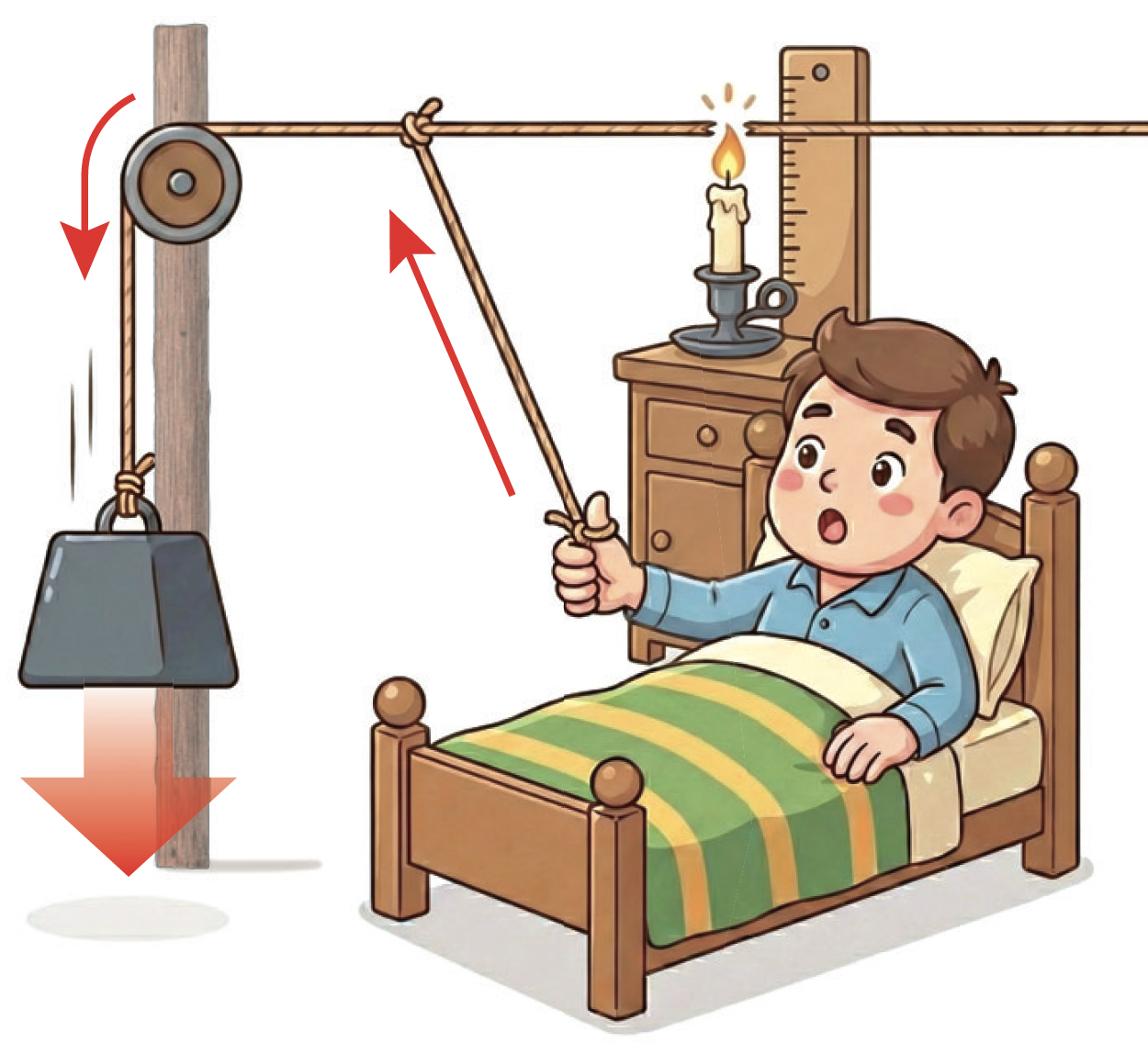
They marked the candle and read the time by how much had burned. About 300 years ago in England, a weaving craftsman invented a “candle alarm clock” to wake up early.
When the set time came, the candle flame burned through a string. A weight tied to the string then fell, pulling another string attached to the person’s finger and waking them up.
There Used to Be a Job Called “Knocker-Up”!
In the industrial areas of England, knocker-ups would wake their clients by tapping on doors or windows with a cane or a long stick.
Factory workers often had to start work very early, so oversleeping was a serious problem.
This job continued to exist until the 1950s, when accurate alarm clocks became widely available.

Special Exhibition Highlights