
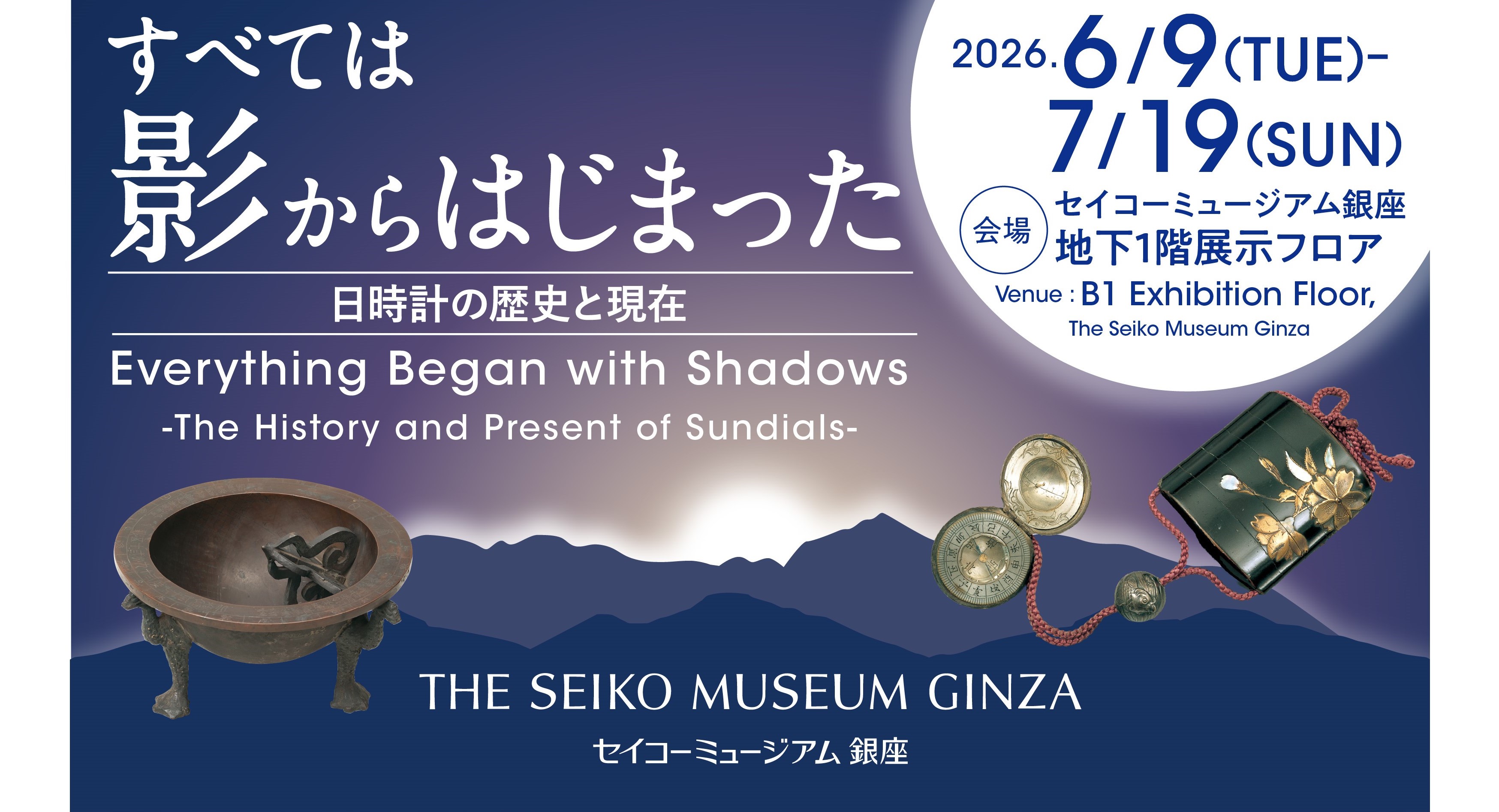
Everything Began with Shadows -The History and Present of Sundials-
In 2026, the General Conference on Weights and Measures (CGPM), which sets international measurement standards, will discuss redefining the “second” and alternatives to the leap second.
Today, the precise “second” generated by atomic clocks is shared around the world. In the past, however, humanity measured time by the sun and its shadows.
This exhibition explores the history and diverse forms of sundials, revisiting the origins of timekeeping.
1 | Sundials of the World - Forms and Historical Development
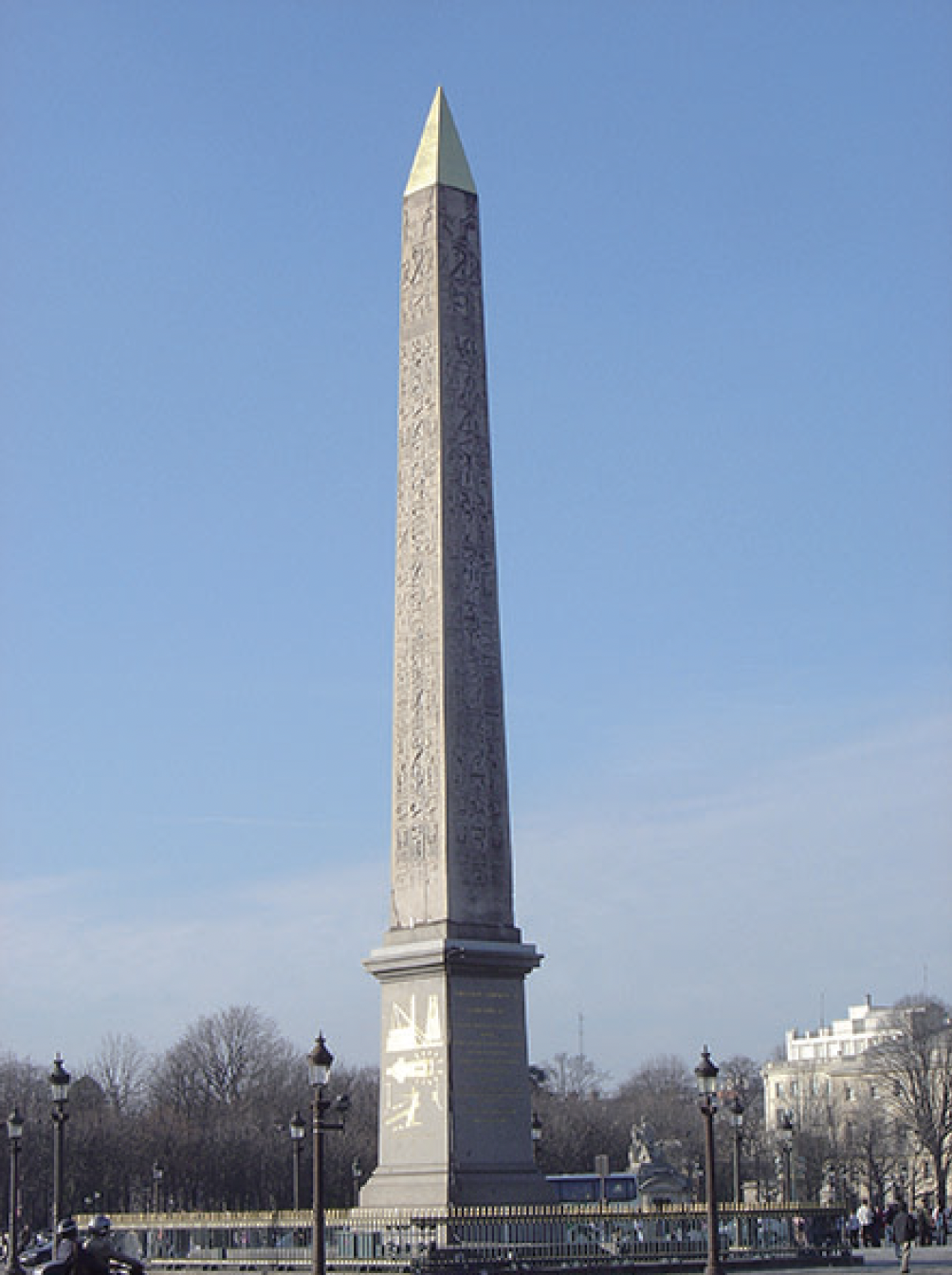
Pillar Sundial
One of the most primitive forms of sundial, using the length and direction of the shadow cast by a vertical pillar or rod (gnomon) to determine time and season.
In ancient Egypt, obelisks functioned as indicators of solar noon and seasonal turning points such as the summer and winter solstices.
Vertical Sundial (Wall-Mounted Sundial)
A sundial mounted on a vertical surface such as a building wall.
Time is indicated by the shadow cast by a fixed gnomon onto the dial face.
In the Greek and Roman periods, this type of sundial spread throughout urban spaces as a public timekeeping device. In medieval Europe, many were installed on the walls of churches and monasteries.
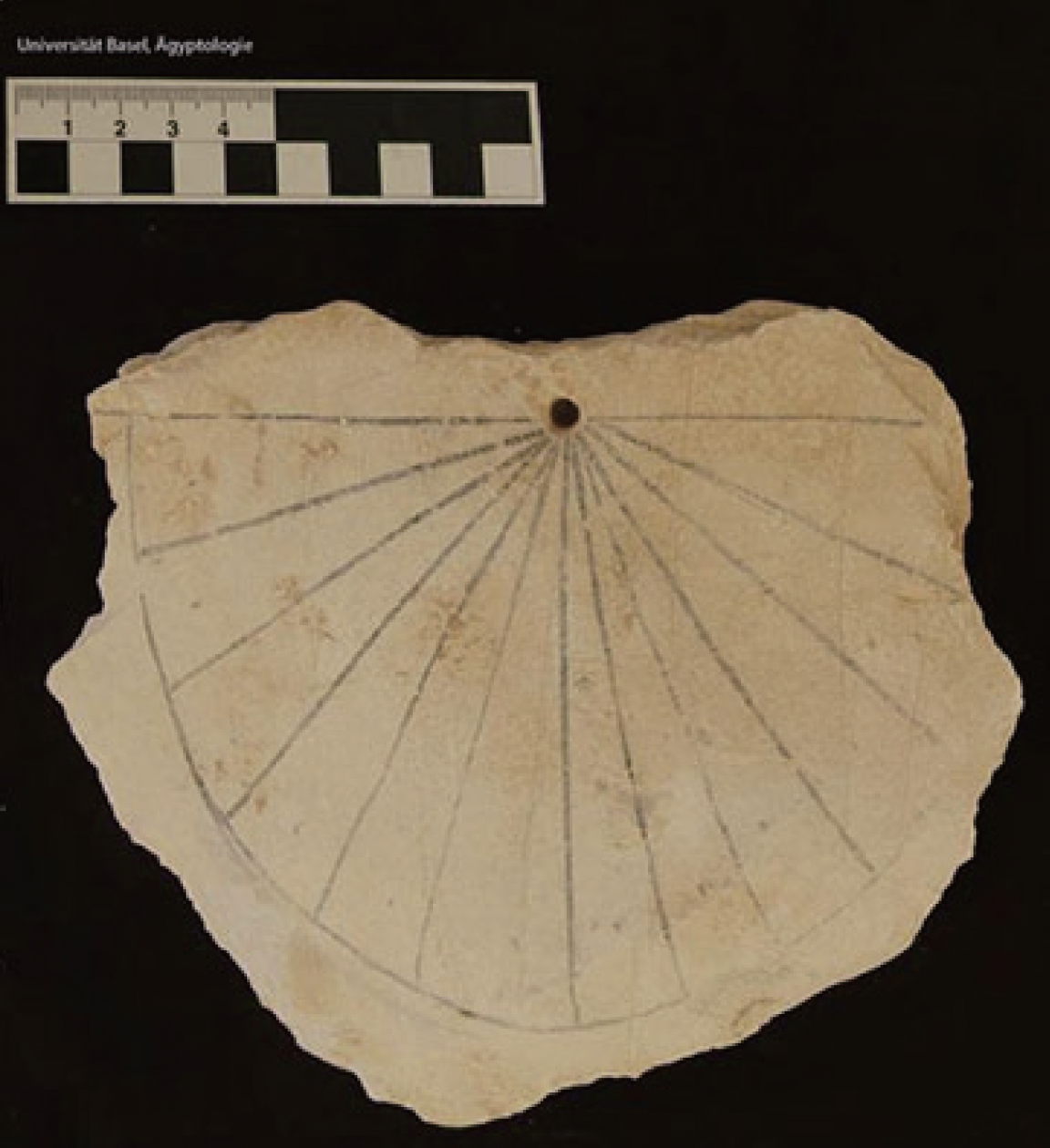
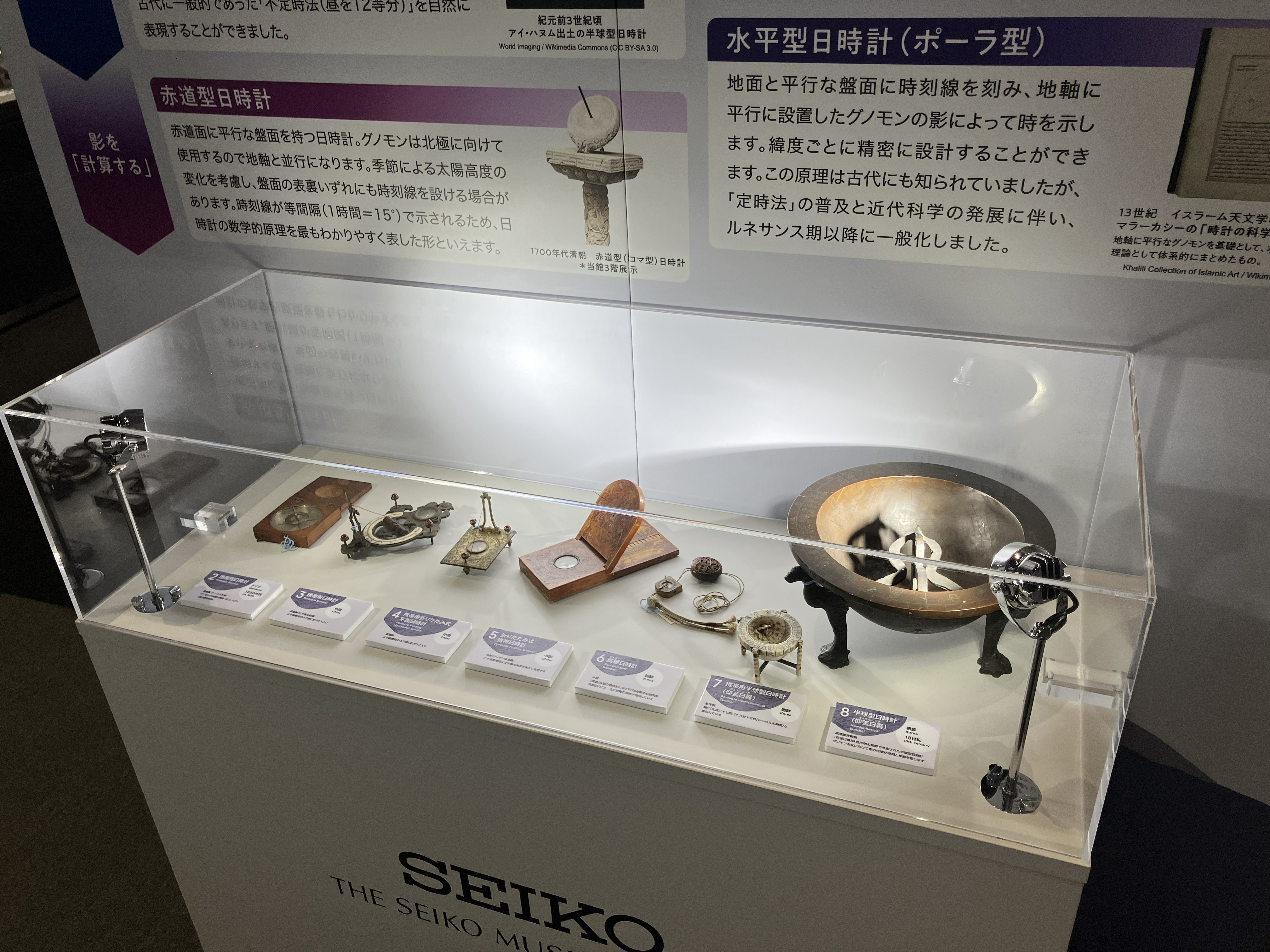
Hemispherical Sundial
A sundial consisting of a hemispherical bowl with hour lines carved on its inner surface.
Time is read from the shadow cast by a gnomon extending from its center.
As the Sun’s seasonal path changes, the path of the shadow shifts within the hemisphere. This naturally expresses the “unequal hours system” (dividing daylight into twelve equal parts regardless of season), a system that was commonly used in antiquity.
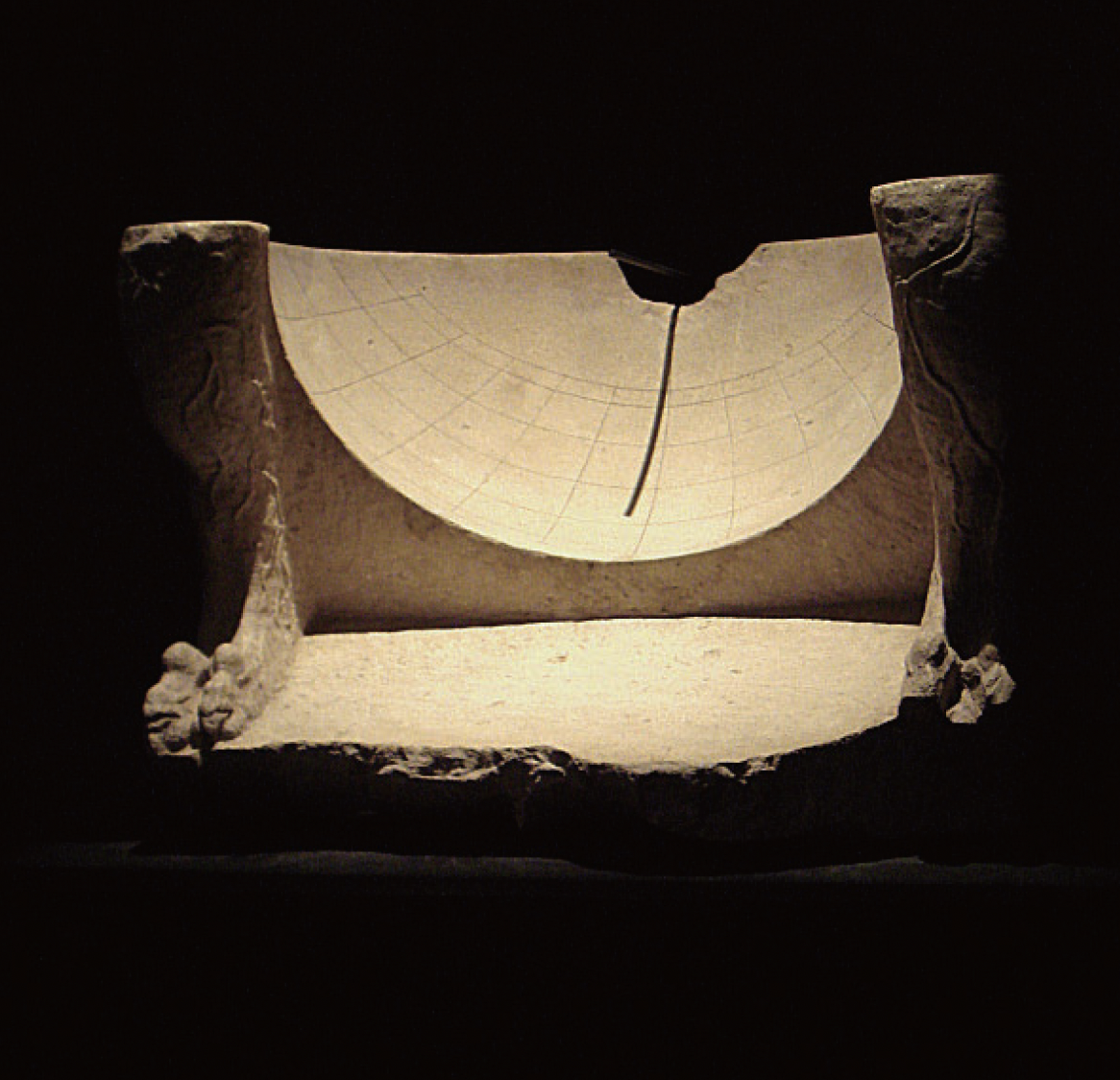
Horizontal Sundial (Polar-Type)
A sundial with a dial plate parallel to the ground, using the shadow of a gnomon set parallel to the Earth’s axis to indicate time.
It can be precisely designed for specific latitudes.
Although this principle was known in antiquity, this type became widespread from the Renaissance onward with the adoption of equal hours and the development of modern science.
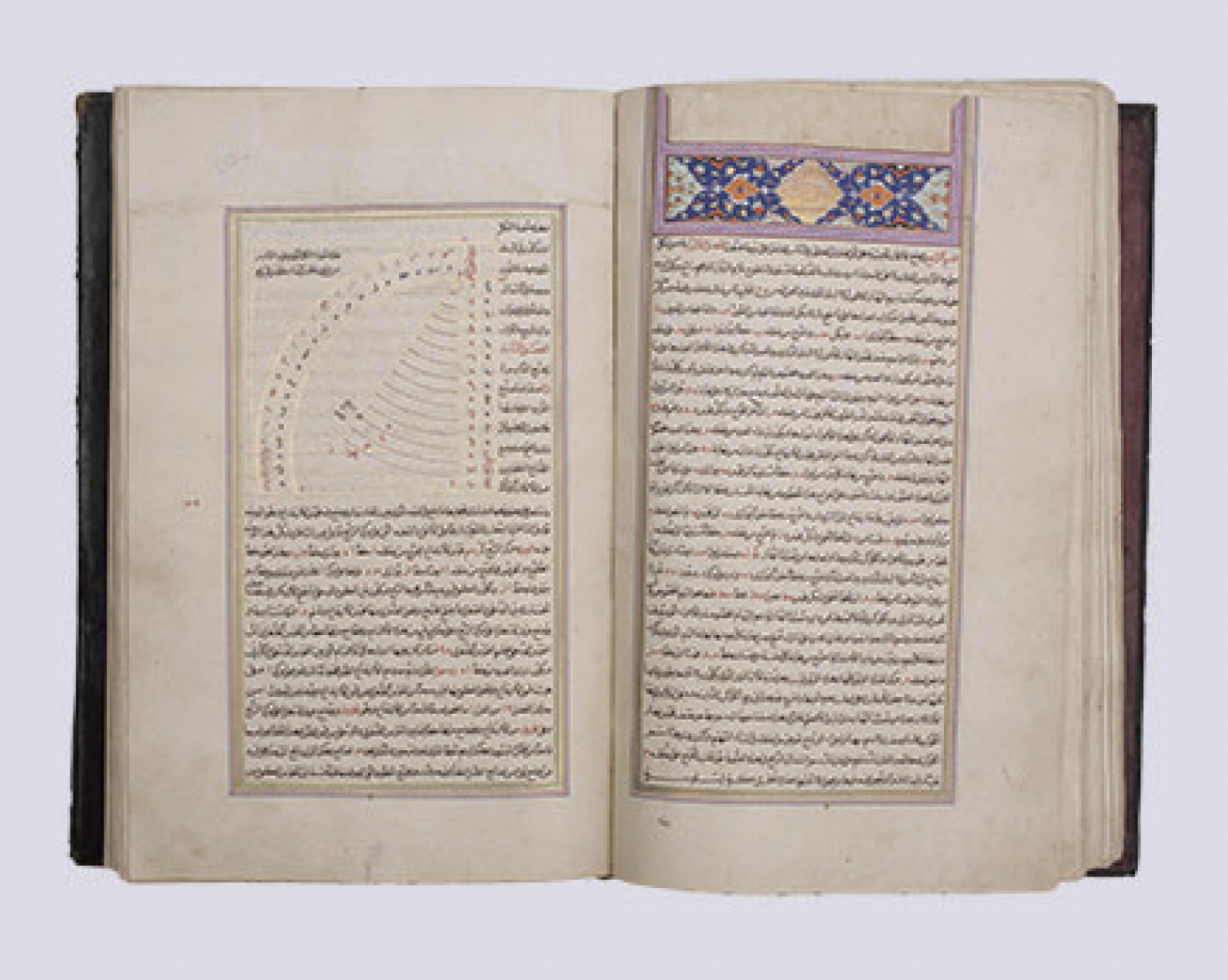
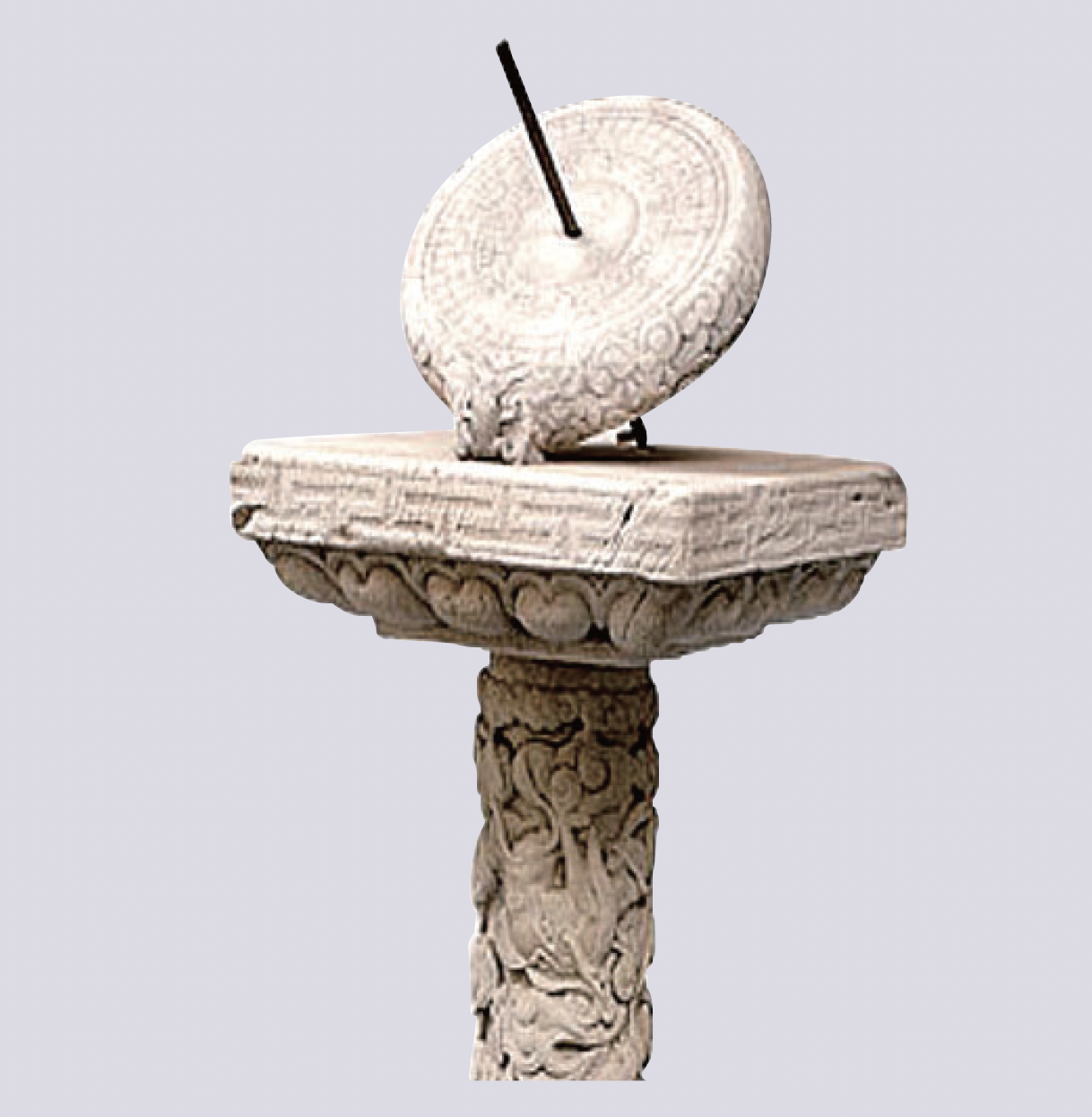
Equatorial Sundial
A sundial with a dial plate parallel to the plane of the Earth’s equator.
The gnomon is oriented toward the celestial pole and is thus parallel to the Earth’s axis.
To account for seasonal changes in the Sun’s altitude, hour lines may be marked on both sides of the dial plate.
Because the hour lines are equally spaced (15° per hour), this type most clearly illustrates the mathematical principles of sundials.
2 | Sundials in Japan
Sundials Introduced from China
The Japanese word tokei (clock) is believed to derive from the Chinese observational instrument known as keihyo.
In this system, a vertical rod (hyo, or gnomon) cast a shadow onto ground markings called kei, which were used to determine the seasons and the time of day. In 735, the envoy Kibi no Makibi brought back a sokuei tesshaku, a type of keihyo made of iron and used to measure the length of a shadow cast by the Sun. By observing changes in the length of the shadow at solar noon, seasonal milestones such as the summer and winter solstices could be identified.
Portable Sundials Used by Feudal Lords
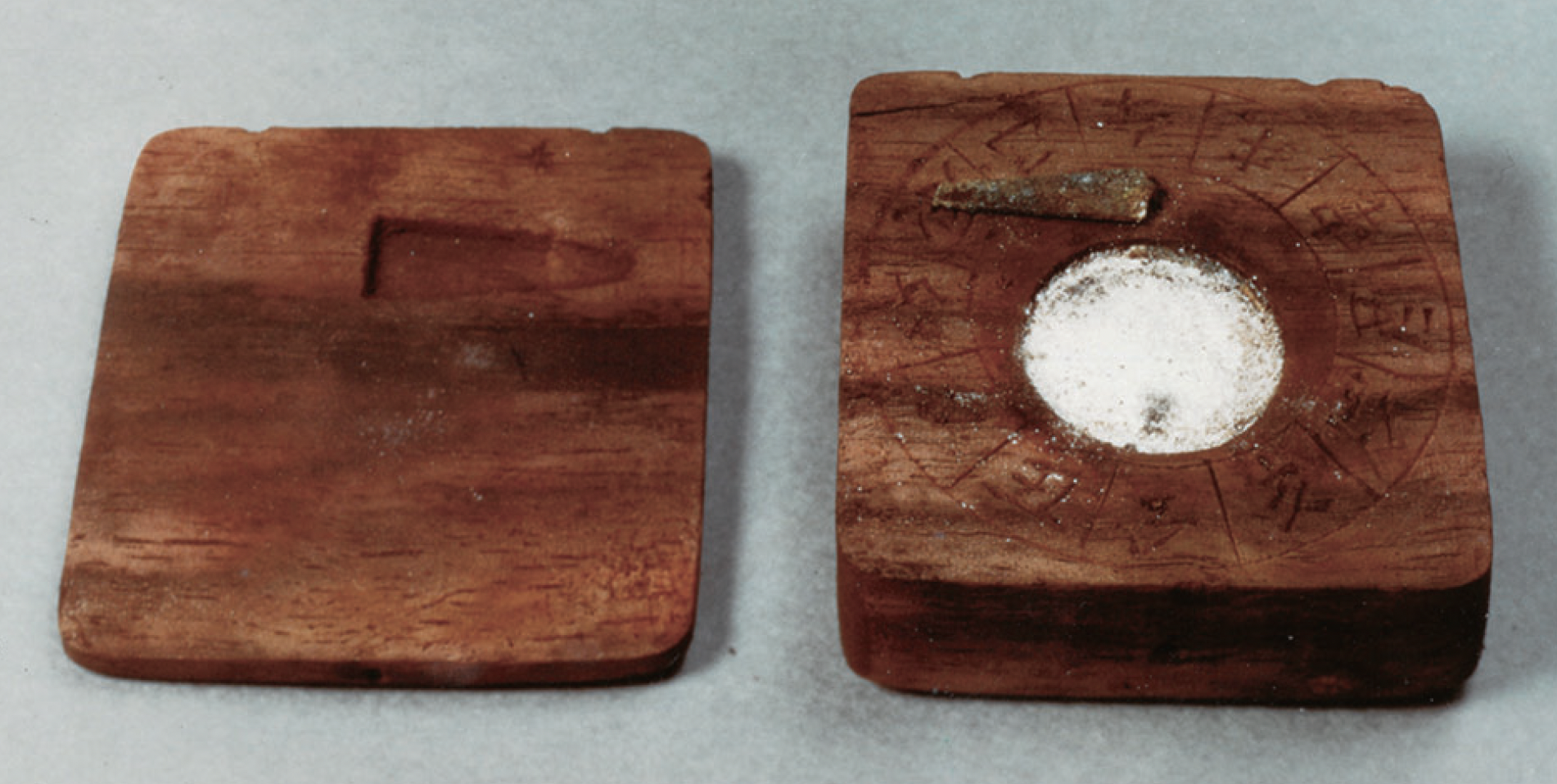
A wooden portable sundial was found among the burial goods of Date Masamune (1567-1636).
It is combined with a compass and used by setting up a metal gnomon.
As a burial object dated to 1636, it is considered one of the oldest dated portable sundials in Japan.
Sundials have also been discovered among the burial goods of Tokugawa Ienobu (1662-1712), the sixth Tokugawa shogun.
Diversification and Widespread Use of Portable Sundials
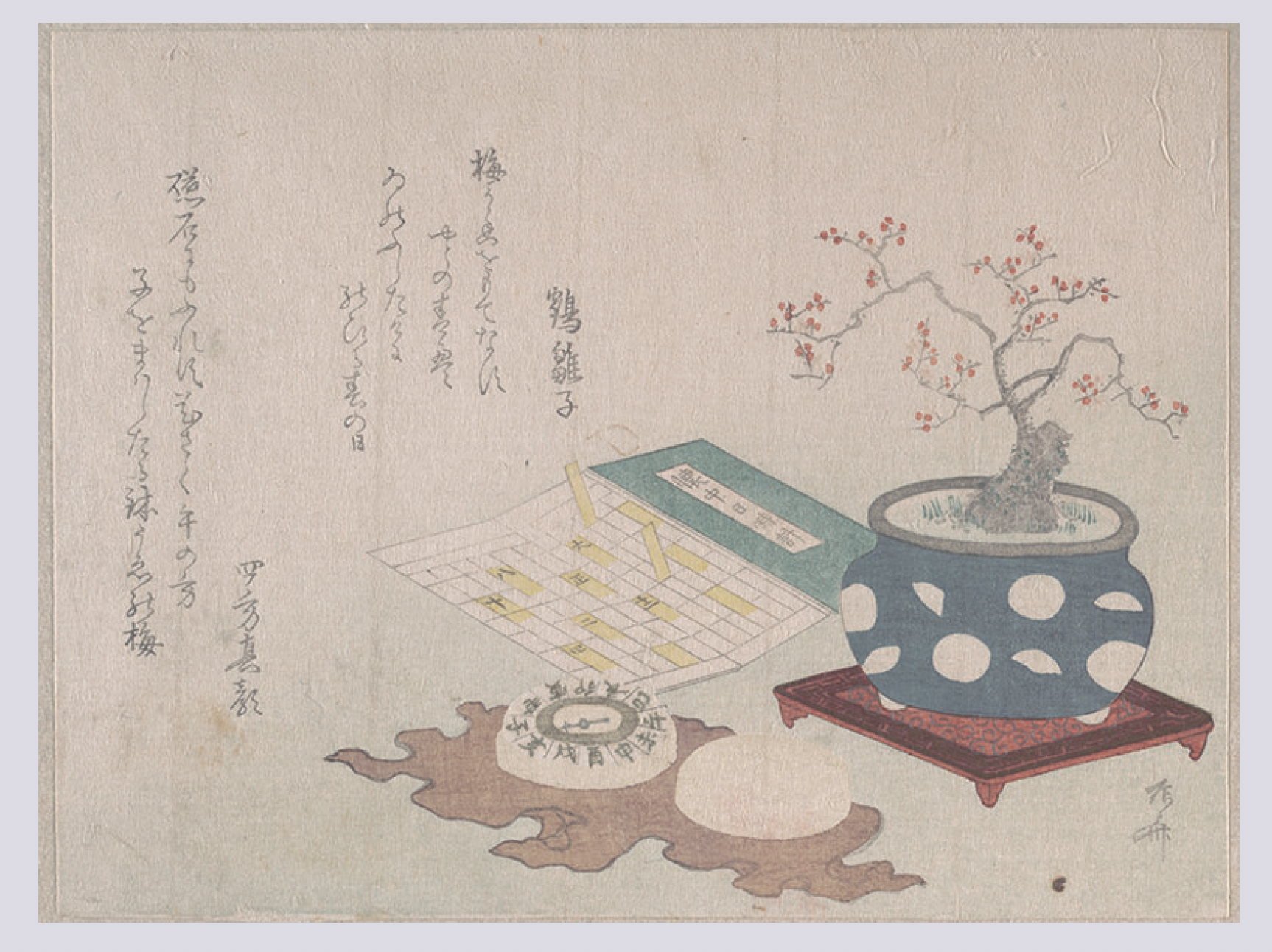
Contemporary sources show that portable sundials were produced in a wide variety of forms in the mid-Edo period.
By the late Edo period, paper sundials became common and were often included in travel guidebooks. At the time, long-distance travel such as pilgrimages to Ise Shrine became popular.
In 1823, the German physician Philipp Franz von Siebold wrote in his travel account Edo Sanpu Kiko that such guides even contained “a sundial that could be made simply by standing up a twisted paper cord.”
Portable Sundials from the Meiji Period Onward
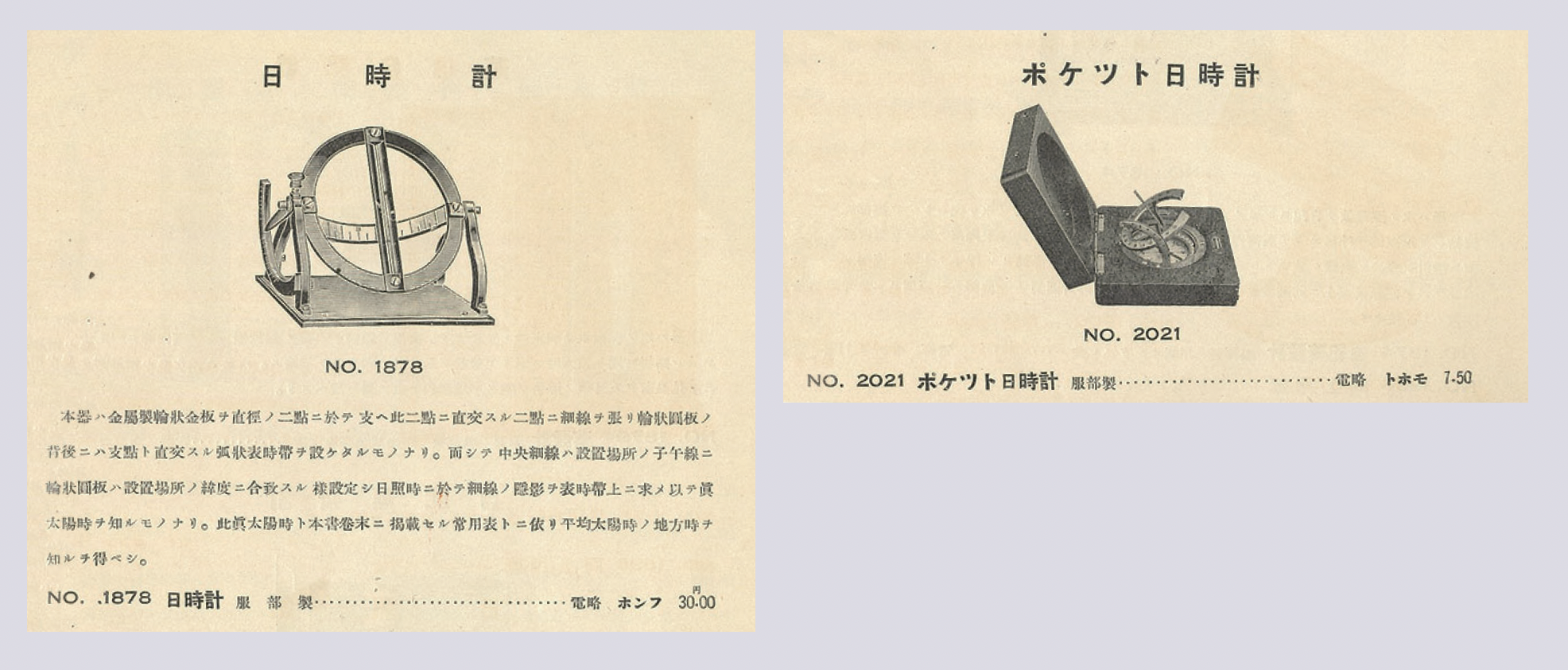
From the late Edo period into the Meiji era, sundials featuring Roman numerals as well as more precise instruments began to appear.
Sundials were also listed in the catalogs of the Survey Instruments Division of K. Hattori & Co. and continued to be sold into the early Showa period.
3 | Modern Sundials
The Equation of Time
Sundials indicate true solar time (also known as apparent solar time), which is based on the Sun’s apparent motion across the sky.
However, because the Earth’s axis is tilted and its orbit around the Sun is elliptical, the Sun’s motion is not uniform. As a result, discrepancies occur depending on the season.
To address this variation, mean solar time was adopted as a stable standard. This system assumes that the Sun moves at a constant speed throughout the year.
The difference between true solar time and mean solar time is known as the equation of time, and is used to correct the time shown by a sundial.
Many modern sundials include an equation of time table adjusted to Japan Standard Time, which is based on the mean solar time at 135° east longitude.
Seiko Sundials
-
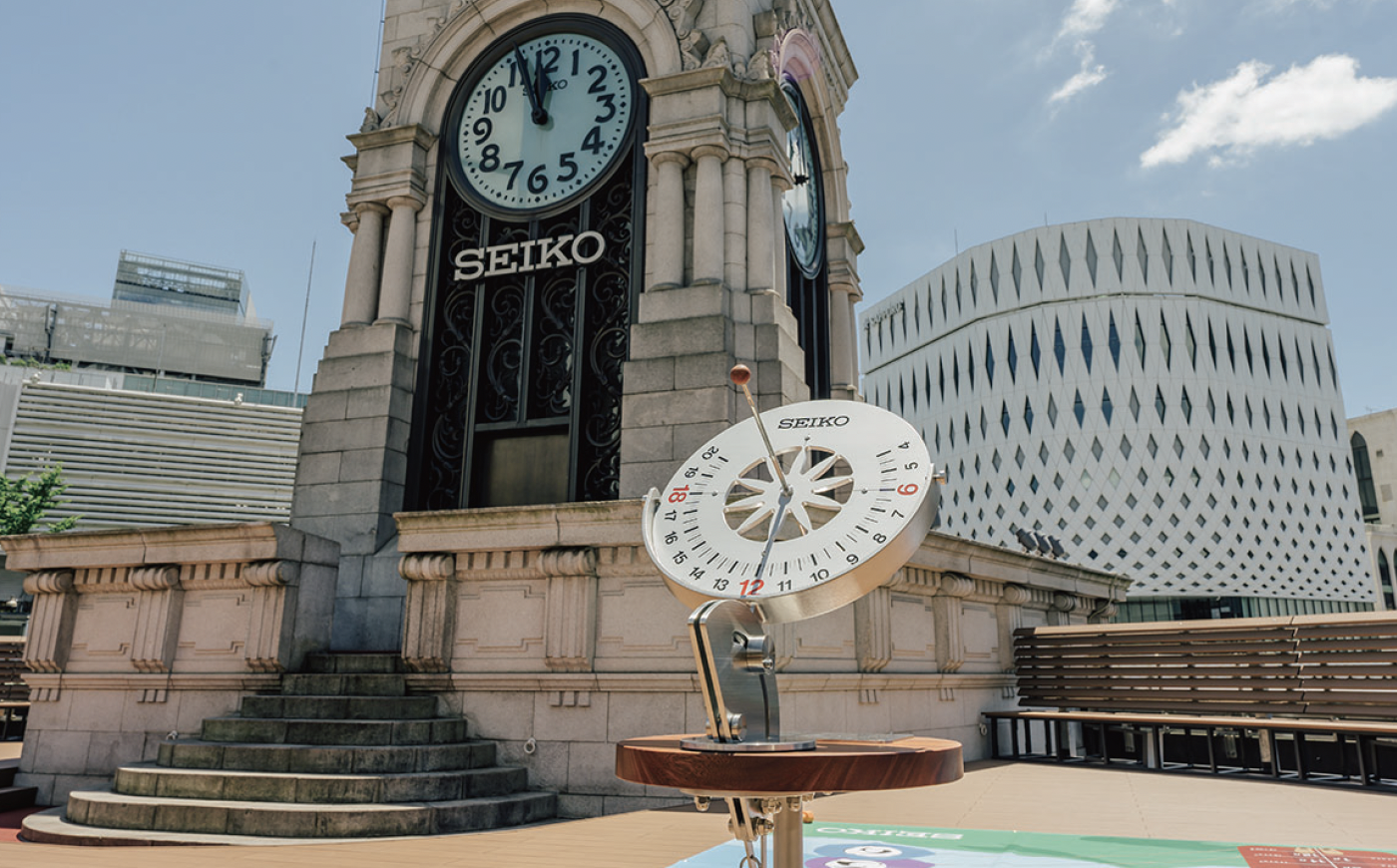
2022 Sundial at SEIKO HOUSE GINZA. Designed so that both the angle and orientation of the dial can be adjusted, allowing it to be used anywhere in the world. (Not normally on public display) Photo: Naoya Ochiai -
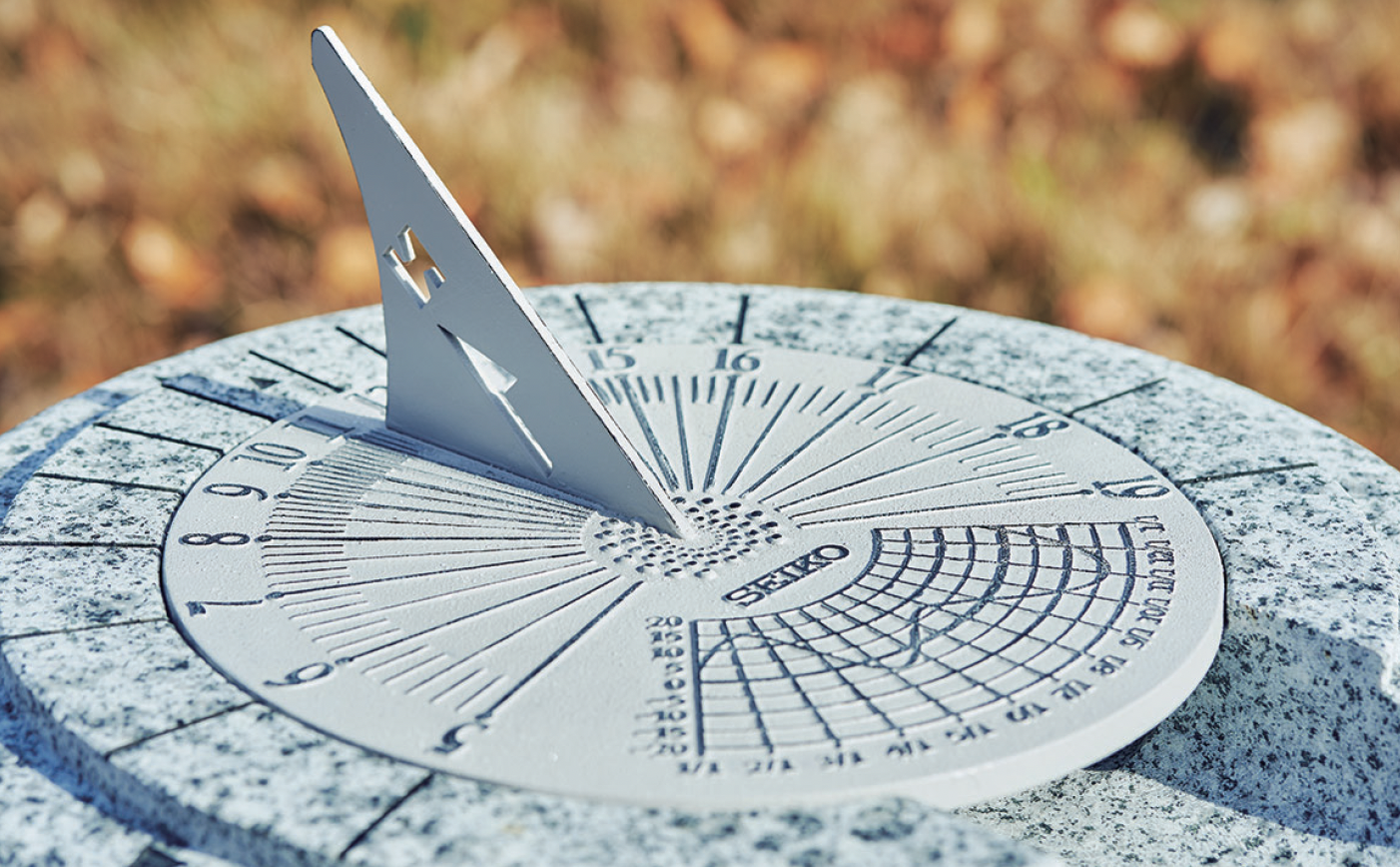
2024 Nambu Ironware Sundial at Morioka Seiko Instruments Inc. A sundial made using Nambu Ironware, a traditional form of cast-iron craft from Iwate Prefecture. Its distinctive feature is a fan-shaped equation of time table. (Grand Seiko Studio Shizukuishi - reservation required) Photo: Naoya Ochiai
-
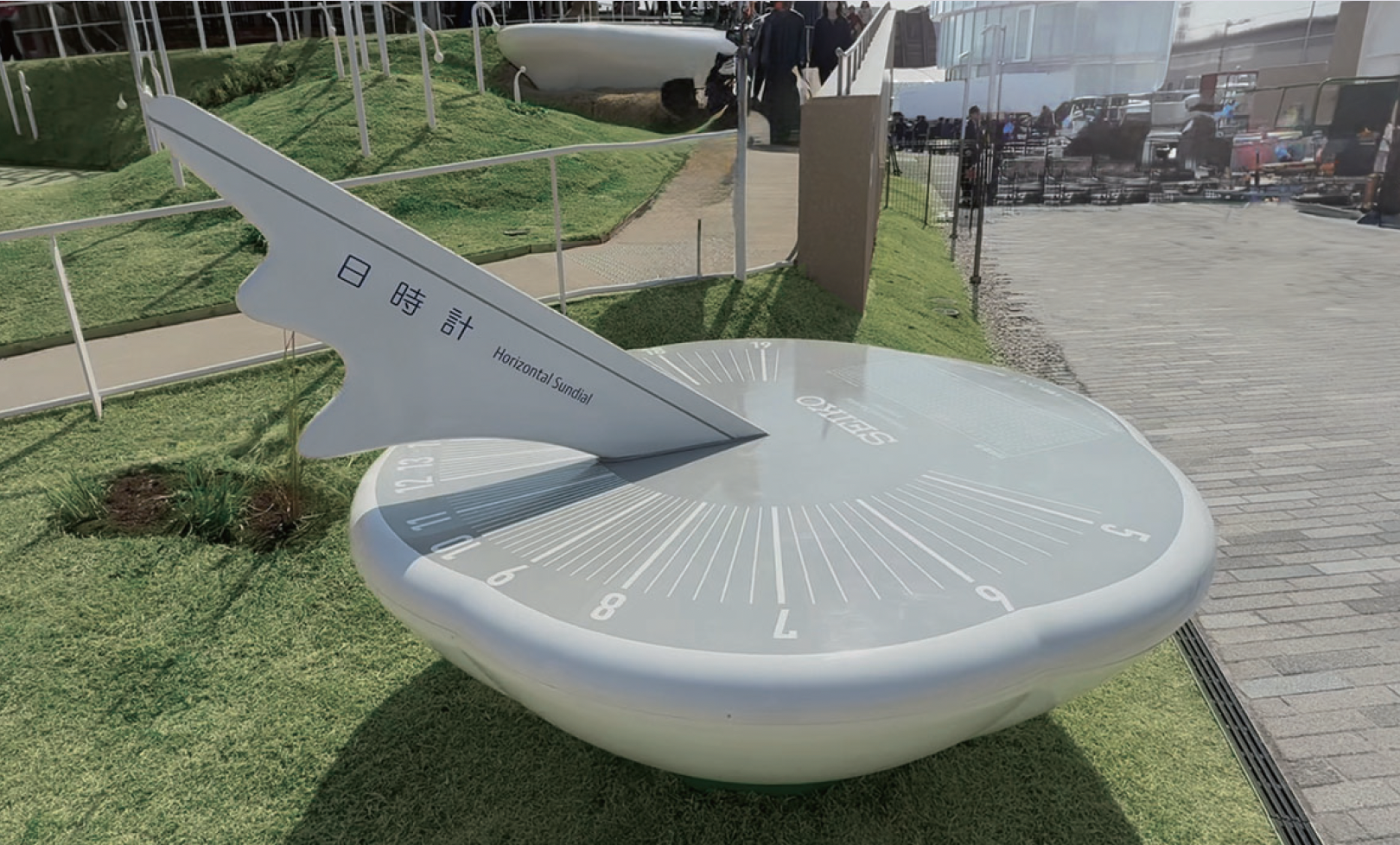
2025 Jellyfish Sundial exhibited at EXPO 2025 Osaka, Kansai. It features an organic shape with a diameter of 2 meters, inspired by jellyfish. It was donated to the Akashi Municipal Planetarium in June of this year.
The Definition of the Second and Leap Seconds
In the past, one second was defined as 1/86,400 of a day based on the Earth’s rotation. However, because the Earth’s rotation is irregular, the second is now defined by atomic clocks based on the vibrations of cesium 133 atoms. To correct the discrepancy between atomic time and time based on the Earth’s rotation, “leap seconds” have been added as needed.
However, leap seconds can cause system failures in the digital society, and it has therefore been decided to transition to a new framework for timekeeping by 2035. The method for implementing this transition will be discussed at this year’s meeting of the General Conference on Weights and Measures (CGPM).
In recent years, optical lattice clocks, which far exceed cesium atomic clocks in accuracy, have been developed. Optical lattice clocks developed in Japan have attracted particular attention as strong candidates for the redefinition of the second under consideration by the CGPM. Even if the definition of the second changes, there will be little impact on daily life; however, it is expected to greatly enhance the reliability of social infrastructure in areas such as communications, navigation, finance, disaster prevention, and scientific research.
The history of time measurement began with the shifting of shadows, progressed through the discovery of natural cycles, and ultimately reached the vibrations of atoms.
Humanity’s clocks are now beginning to mark a more certain flow of time as they move toward the next era.
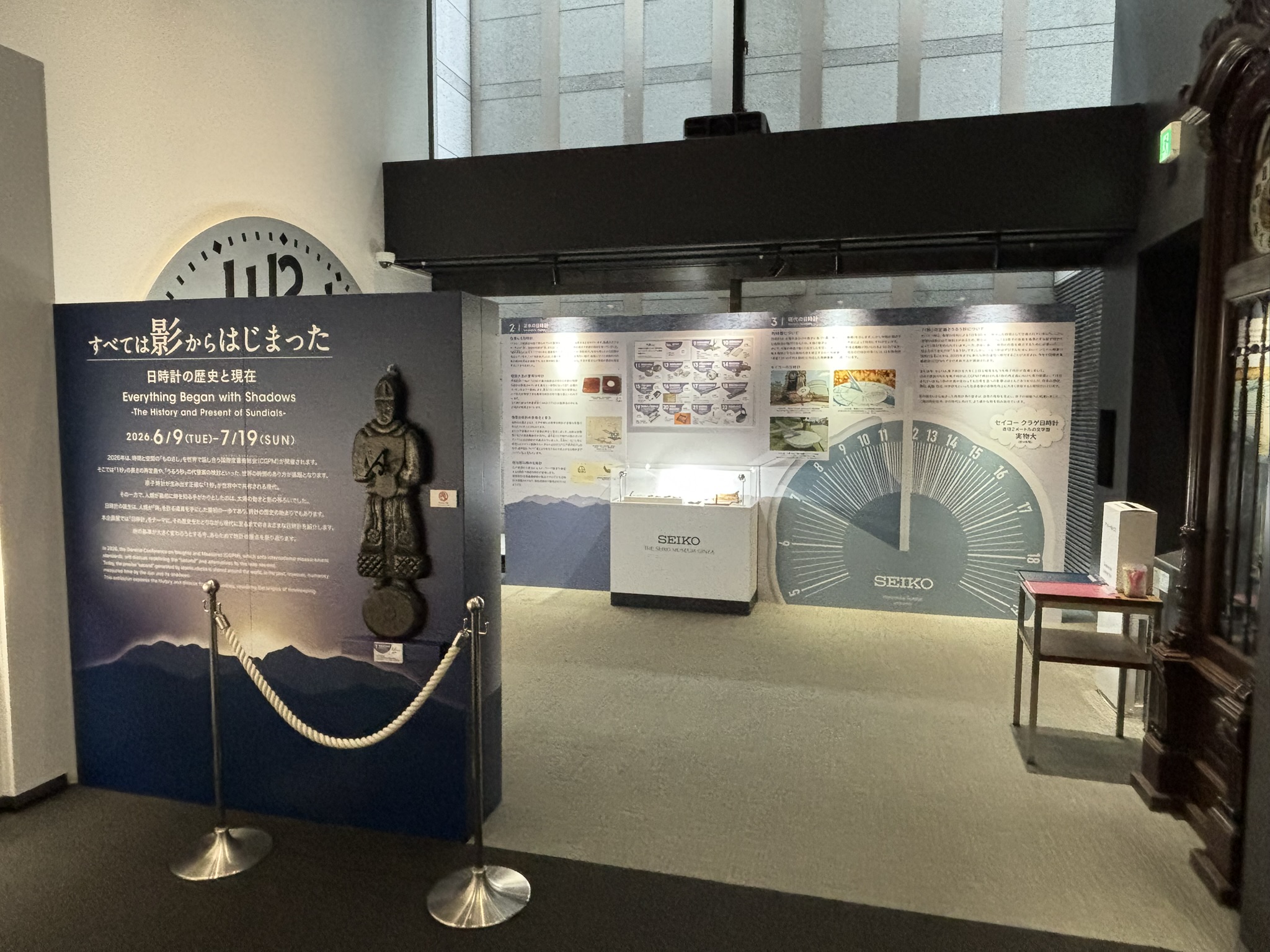
Exhibition view