
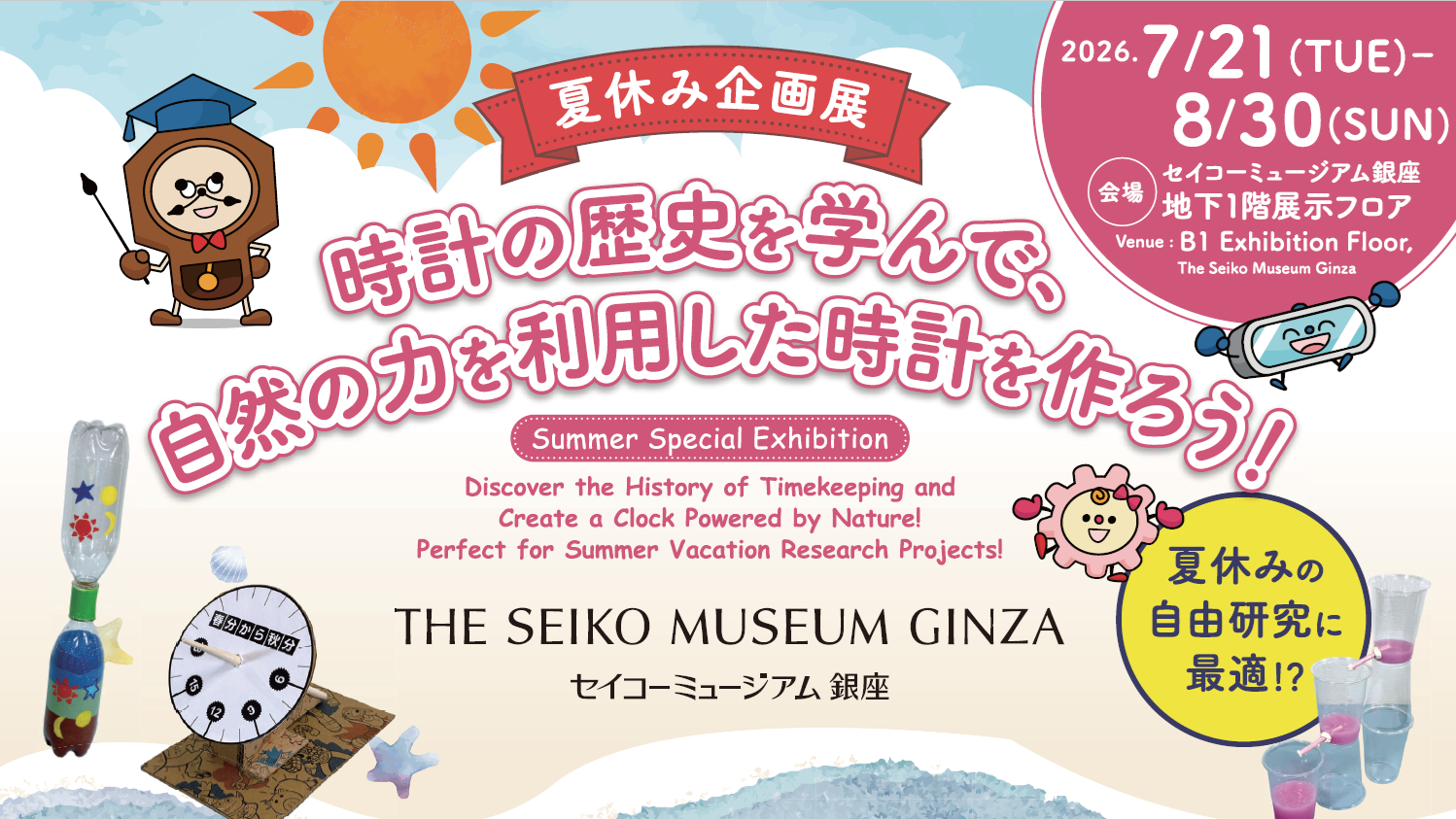
Discover the History of Timekeeping and Create a Clock Powered by Nature!
1 | History of Watch & Clock
Around 5000 BCE
Changes in Egypt’s climate turned green land into desert.
People began living near the Nile River and shifted from hunting and gathering to farming.
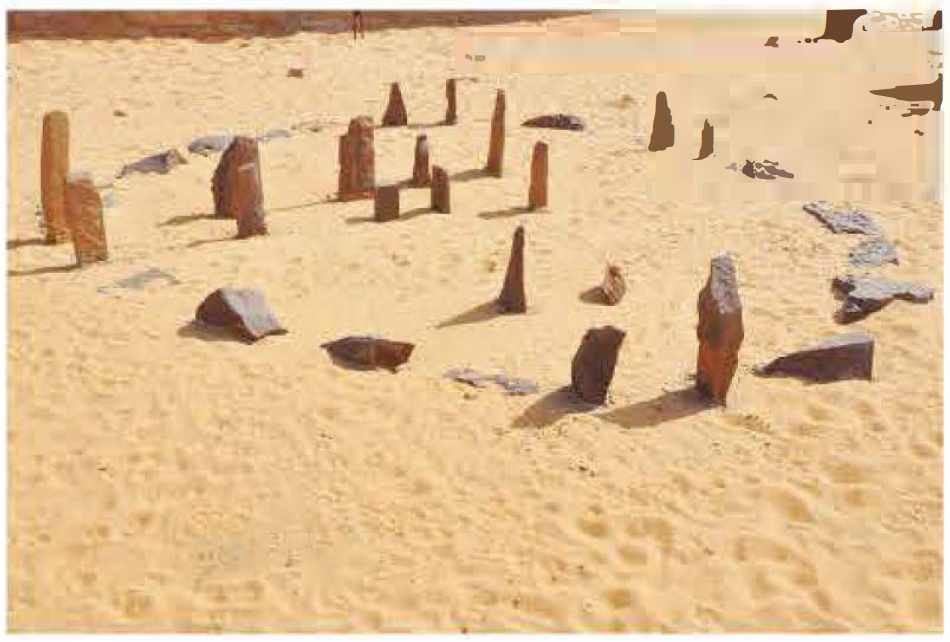
Around 3000 BCE
Ancient Egyptian civilization emerged.
Time management became necessary for prayers and meetings.
Around 1400 BCE
-
-
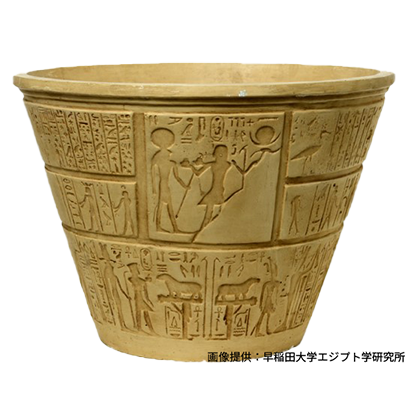
Water Clocks: Tell time even on rainy days or at night
Around 600 CE
In China, a unified state was formed with an official system of governance.
As cities developed, strict time management became necessary for administration.
1100-1400 CE (approx.)
Ships shifted from coastal travel to long-distance voyages for trade between continents.
Around 1300 CE
-
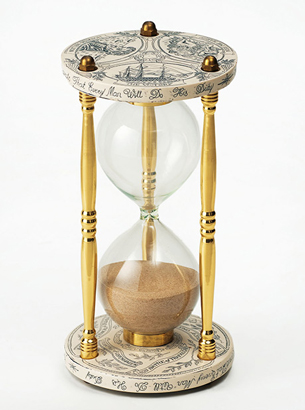
Hourglasses: Portable clocks -
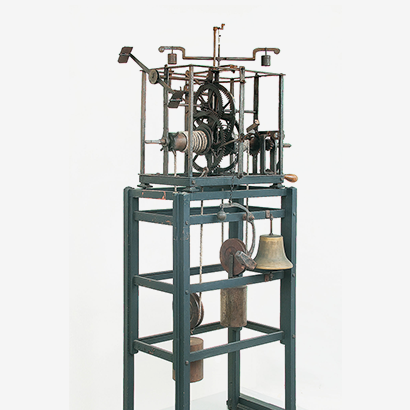
Iron Frame Tower Clock: The first mechanical clock invented by humans
1500-1600 CE (approx.)
Life began to shift from living in harmony with nature to using scientific principles of nature.
-
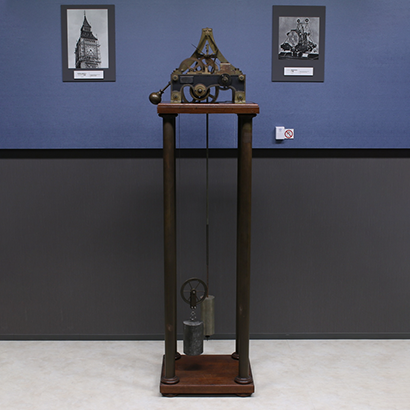
Pendulum Clock: Improved accuracy with pendulums -
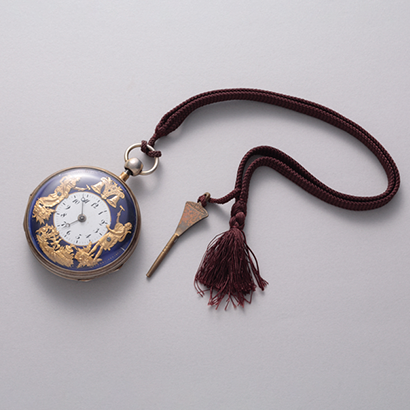
Pocket Watch: The first portable mechanical clocks made by humans
From 1760 onward
As society developed, people began to act according to schedules.
The start of railways increased the need for standardized timekeeping.
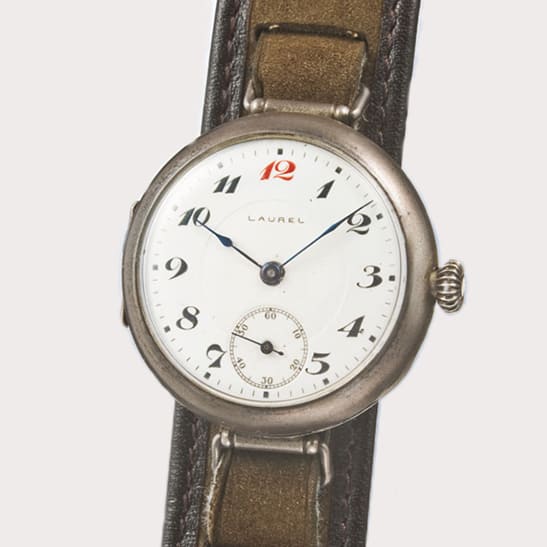
1950 - 1970
Society transitioned into an age of electronics, including computer technology. In Japan, rapid economic growth occurred after post-war recovery.
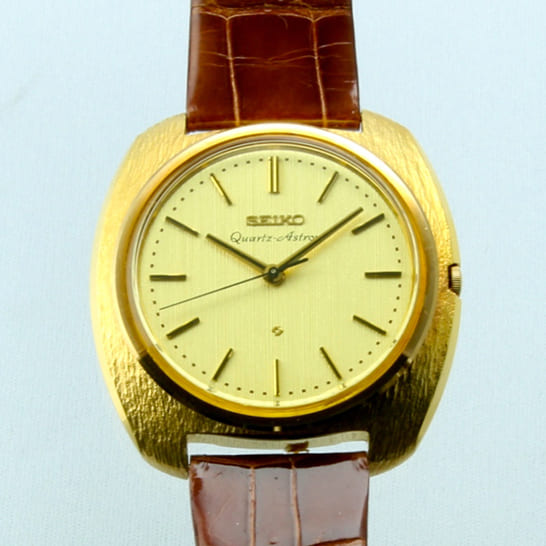
2 | Clocks that utilize the power of nature
Sundial
Examples
-
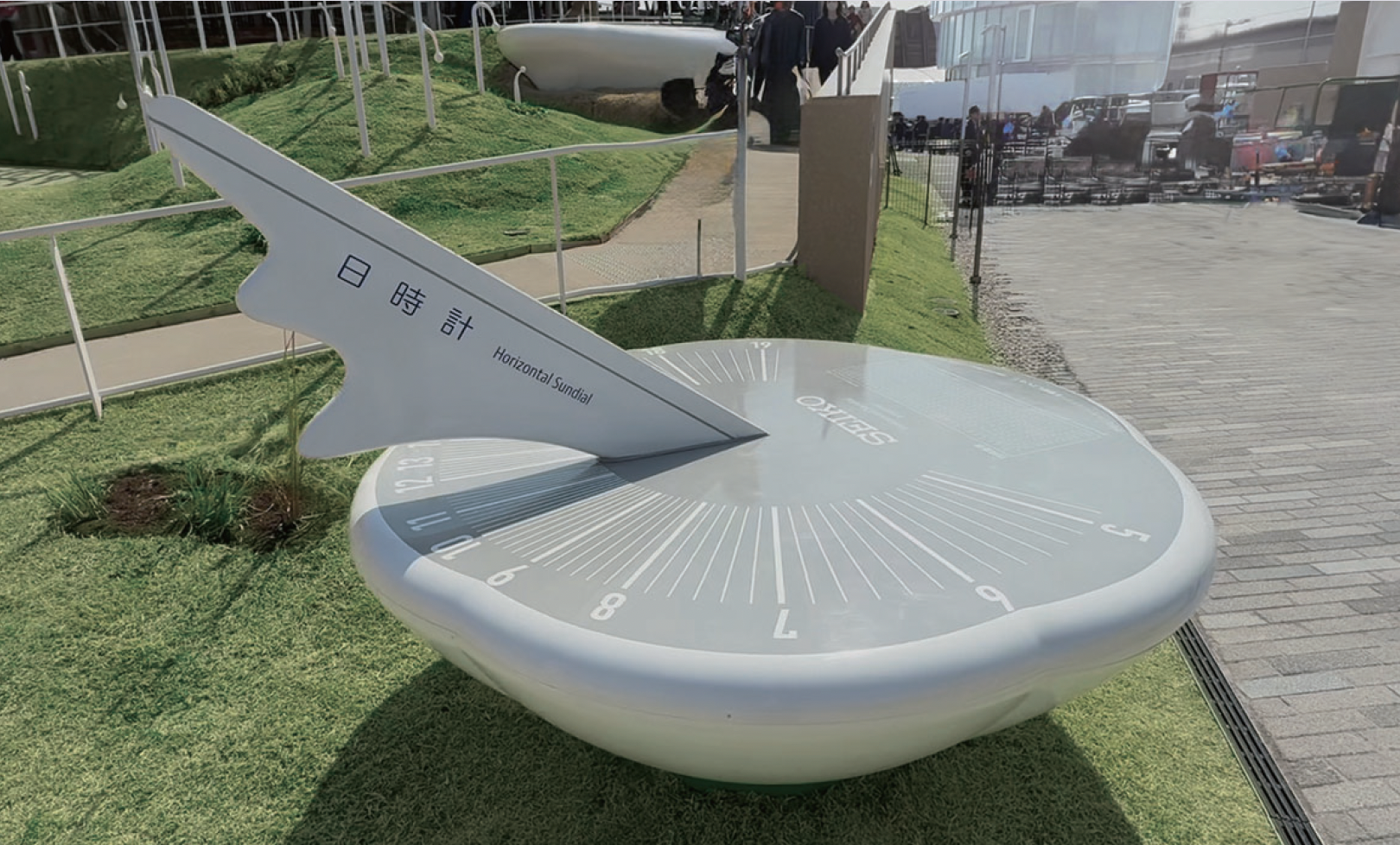
“Jellyfish Sundial” From Akashi Municipal Planetarium Made by Seiko -
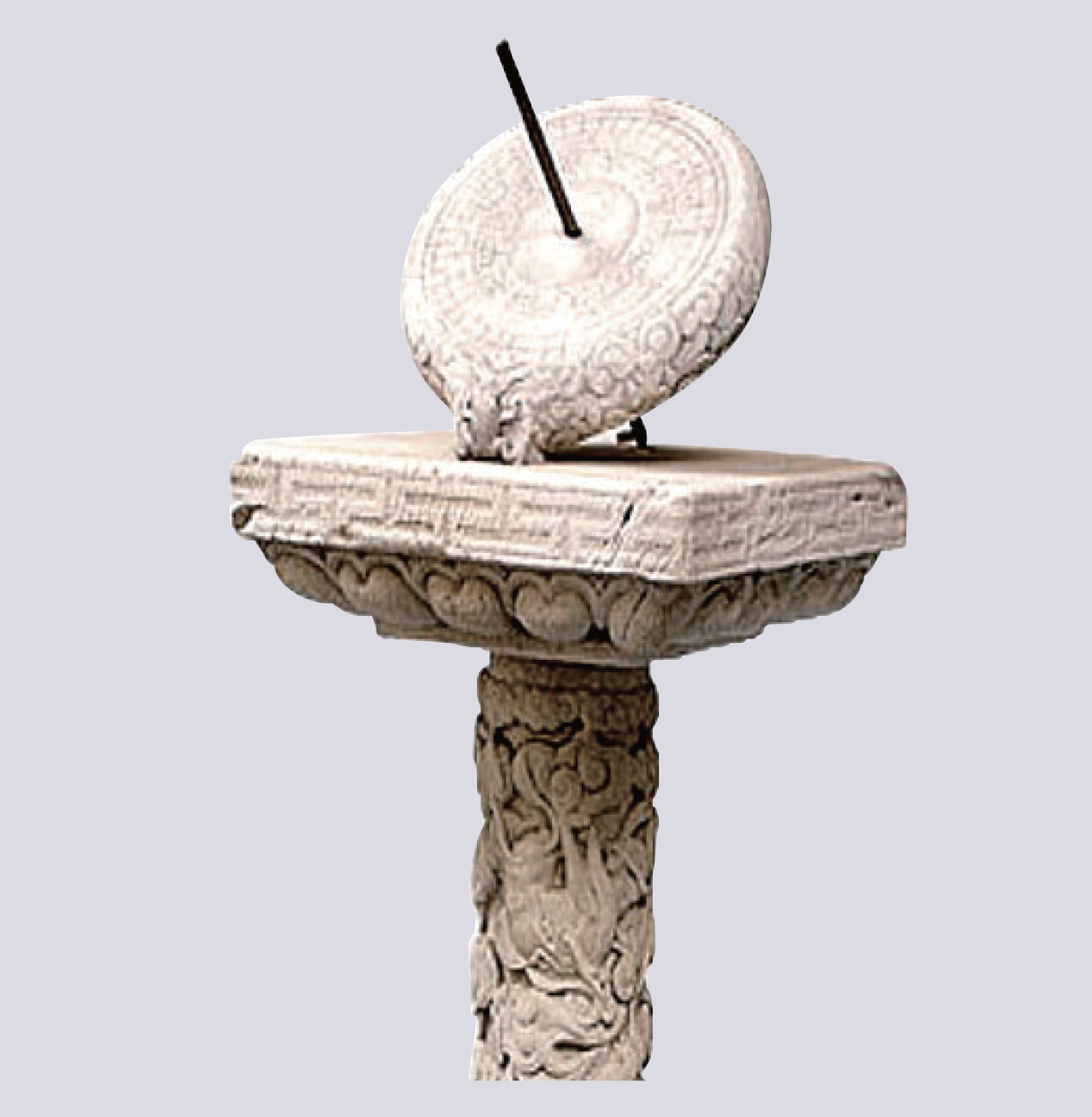
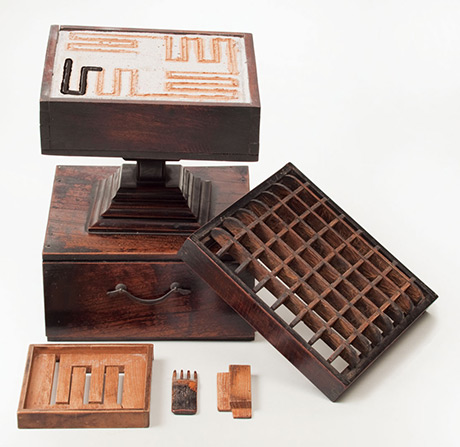
“Equatorial Sundial” 1700s, in China From The Seiko Museum Ginza
When did it start? Where was it made?
About 7,000 years ago in Egypt
Why was it made?
To know morning, noon, and evening.
To help farming.
To know the time for prayer.
How did people use it?
People used the sun’s shadow to tell the time.
How does it work?
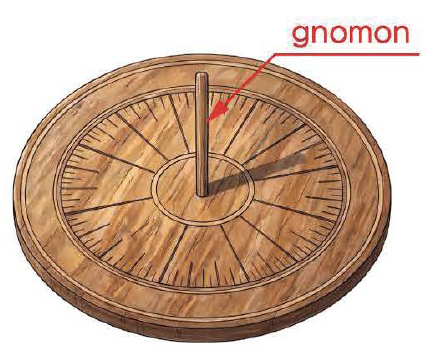
1. Put a stick (gnomon) in the ground.
2. The sun makes a shadow.
3. The shadow moves.
4. You can tell the time from the shadow.
* To get better time, face the stick to the north.
Good points and bad points
Good points: It works when the sun is out.
Bad points: It does not work at night.
It can not tell the exact time.
Water Clock
Examples
-
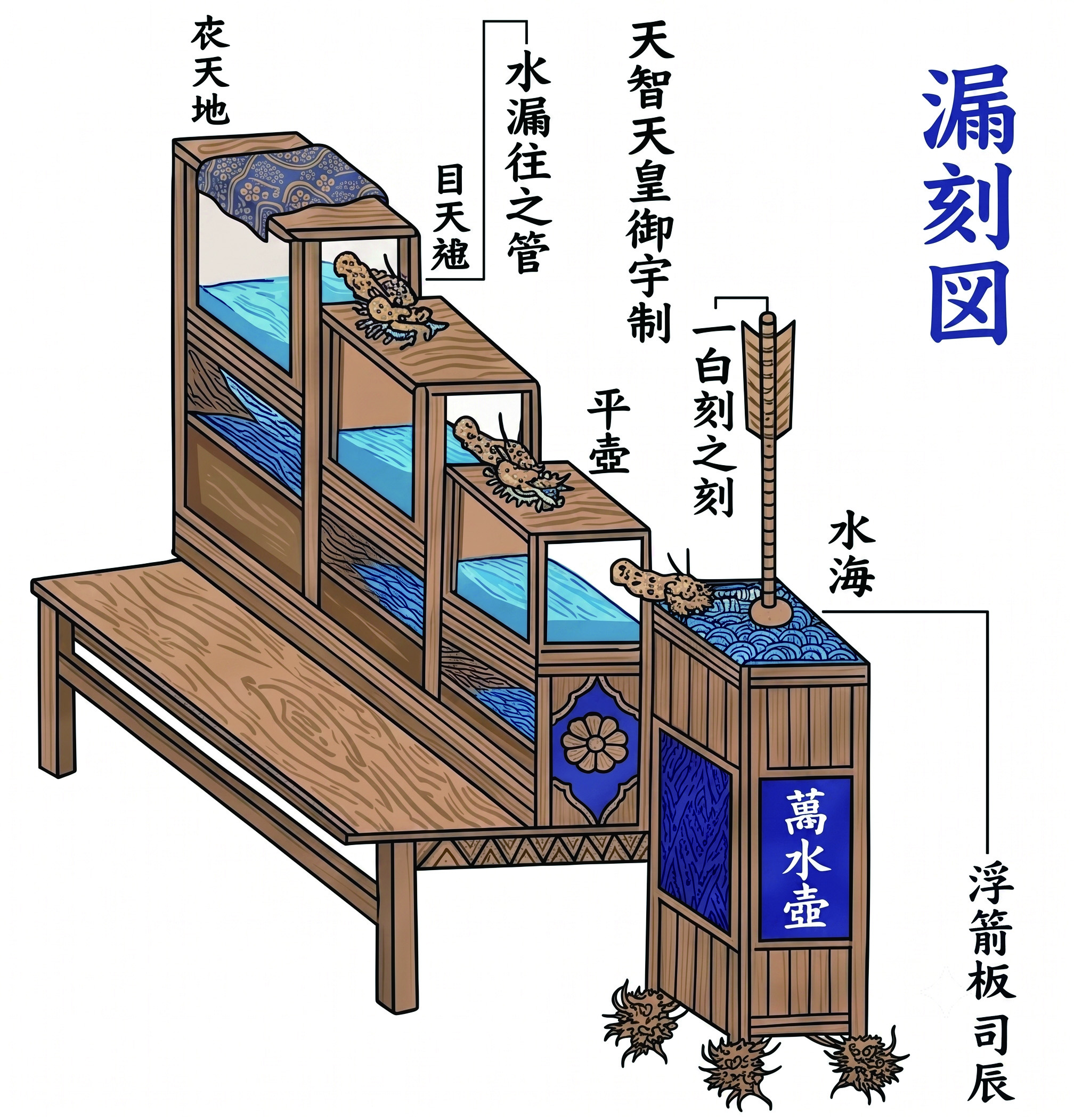
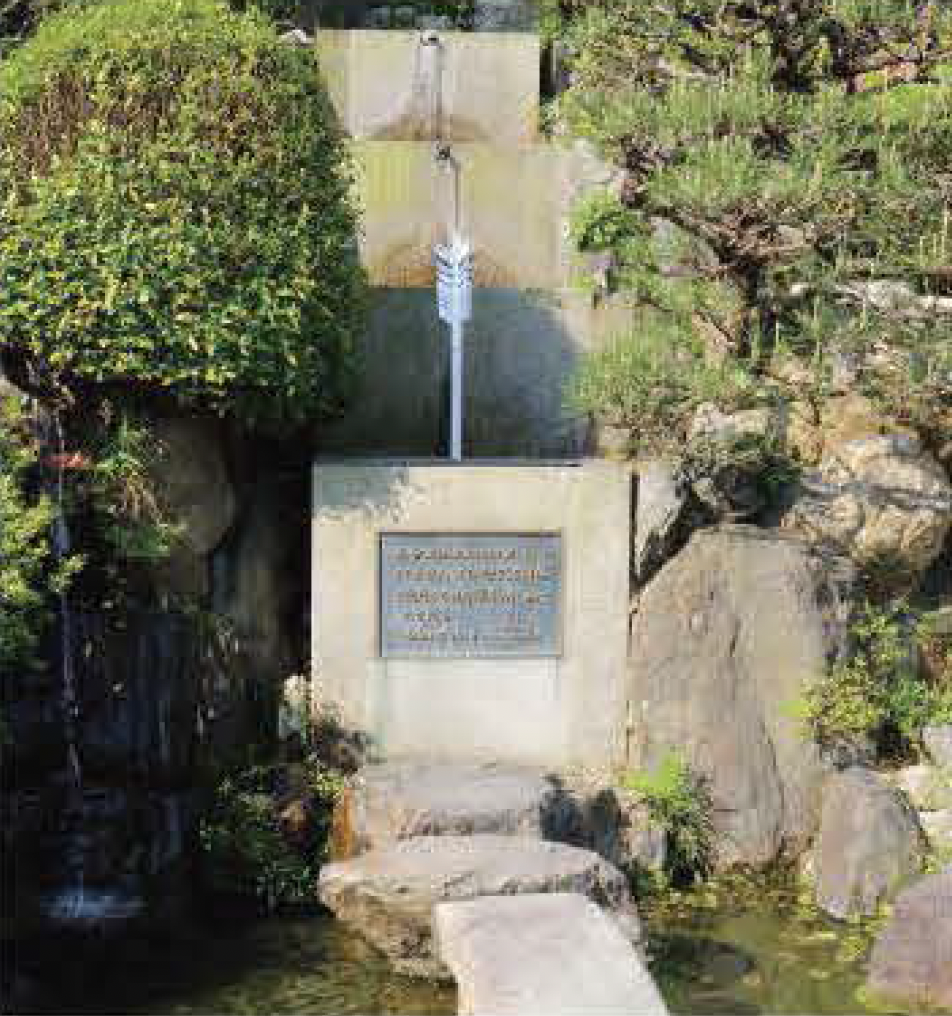
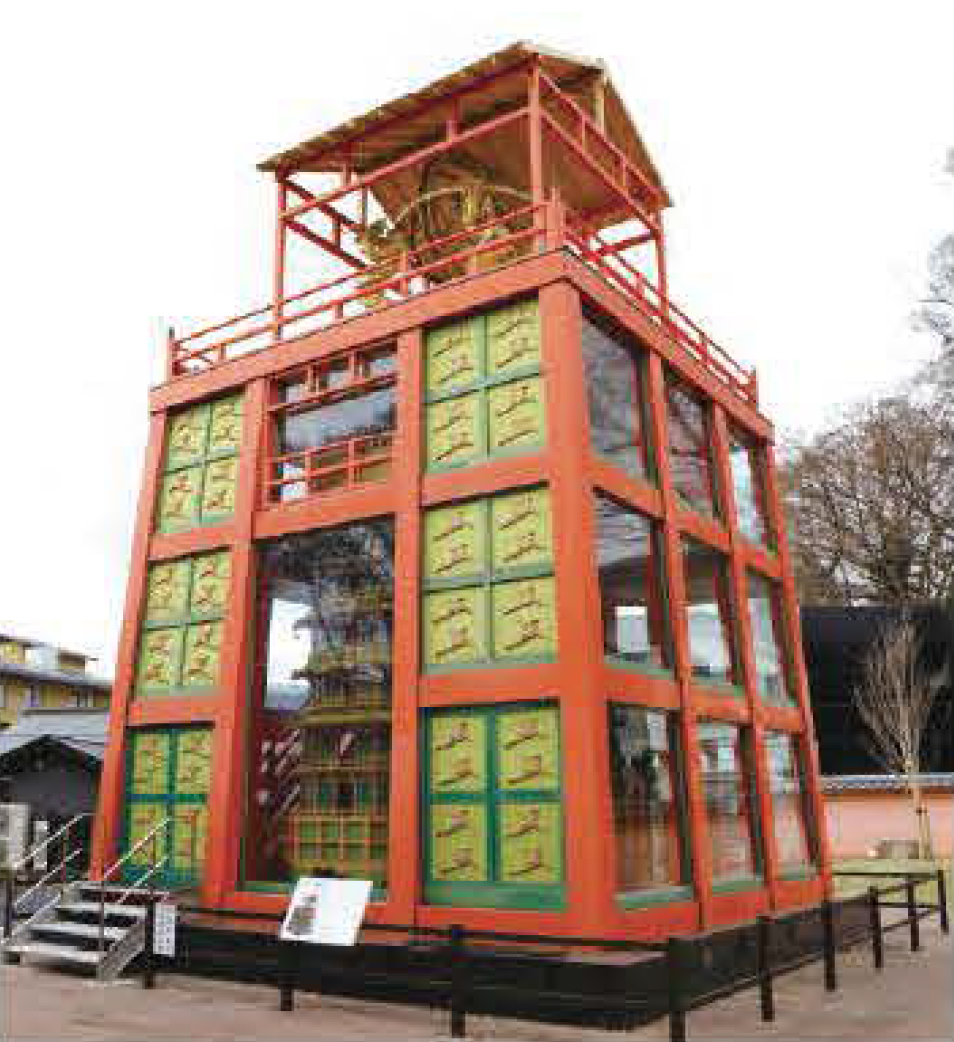
“Reconstruction illustration of Roukoku” Established by the reigning Japanese emperor in 671 -
When did it start? Where was it made?
About 3,400 years ago In Egypt
Why was it made?
To tell time at night.
To use on cloudy or rainy days.
How did people use it?
Originally, it was used as a clock for the night.
People read the water level with different lines each month.
They also put in different amounts of water each month.
When the water is gone, it means morning comes.
How does it work?
1. Use a container with lines inside
2. There is a small hole
3. Water flows out slowly
4. The water level shows the time
*In the case of a water clock in Egypt 3,400 years ago
Good points and bad points
Good points: Works without the sun
Bad points: Water can evaporate
Water can freeze
Hourglass
Examples
-
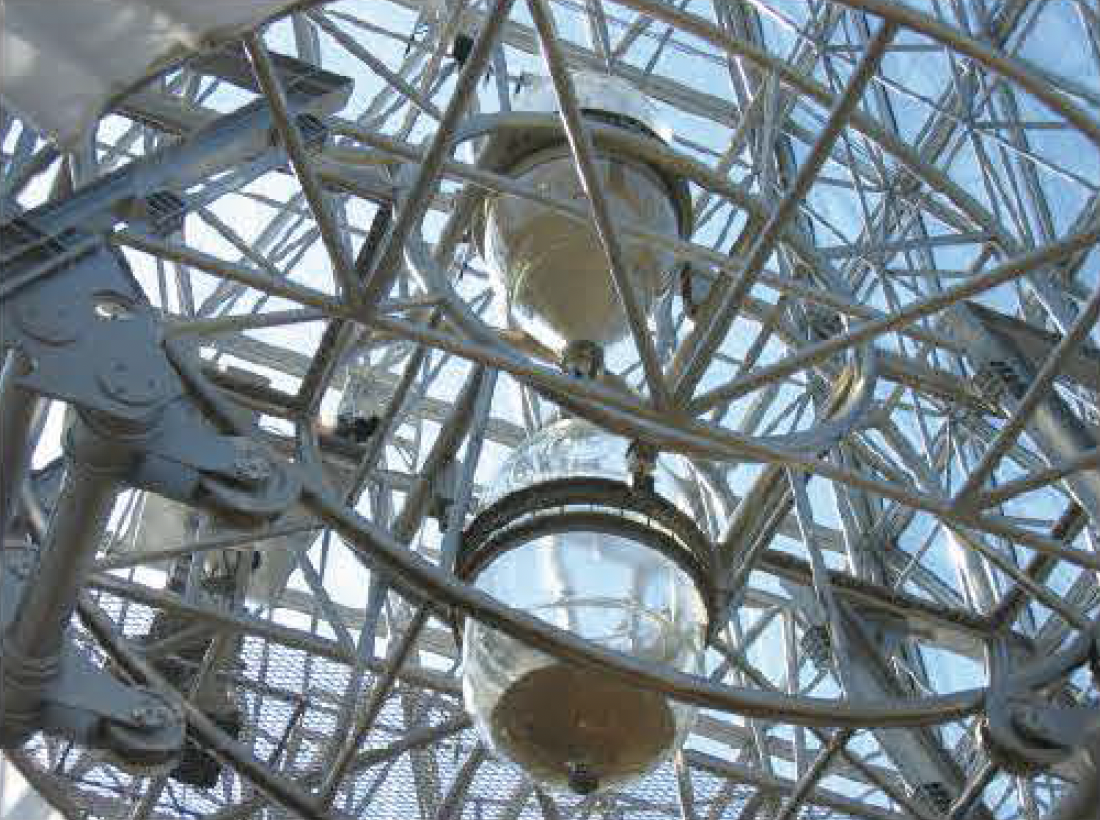
One-year hourglass “Sand Calendar” (Time Hall) (Shimane Prefecture)
When did it start? Where was it made?
About 700 years ago (place unknown)
Why was it made?
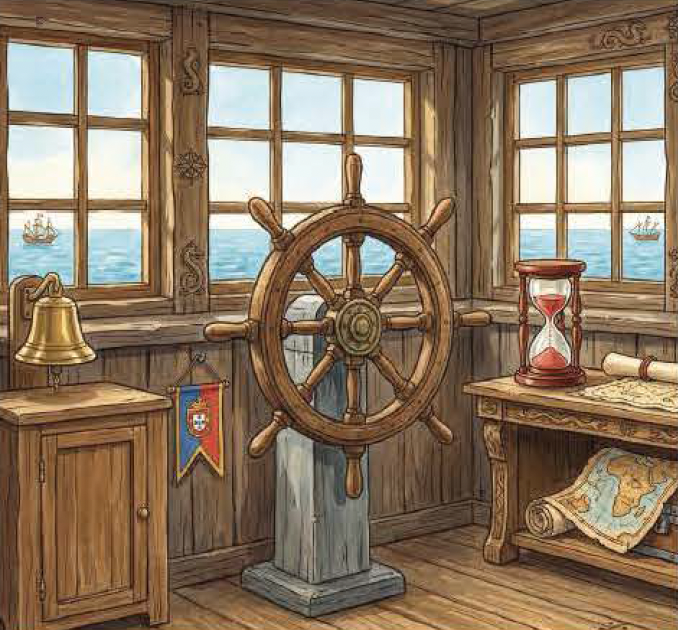
People needed a small clock to carry.
It was also used on ships.
How did people use it?
It was used as a timer for a short time.
How does it work?
1. Sand falls by gravity.
2. The sand pieces are the same size.
3. The sand falls at a steady speed.
→ You can measure time.
Good points and bad points
Good points: Easy to carry
Works on a moving ship
Bad points: It cannot tell exact time (only timer)
Not good for long time
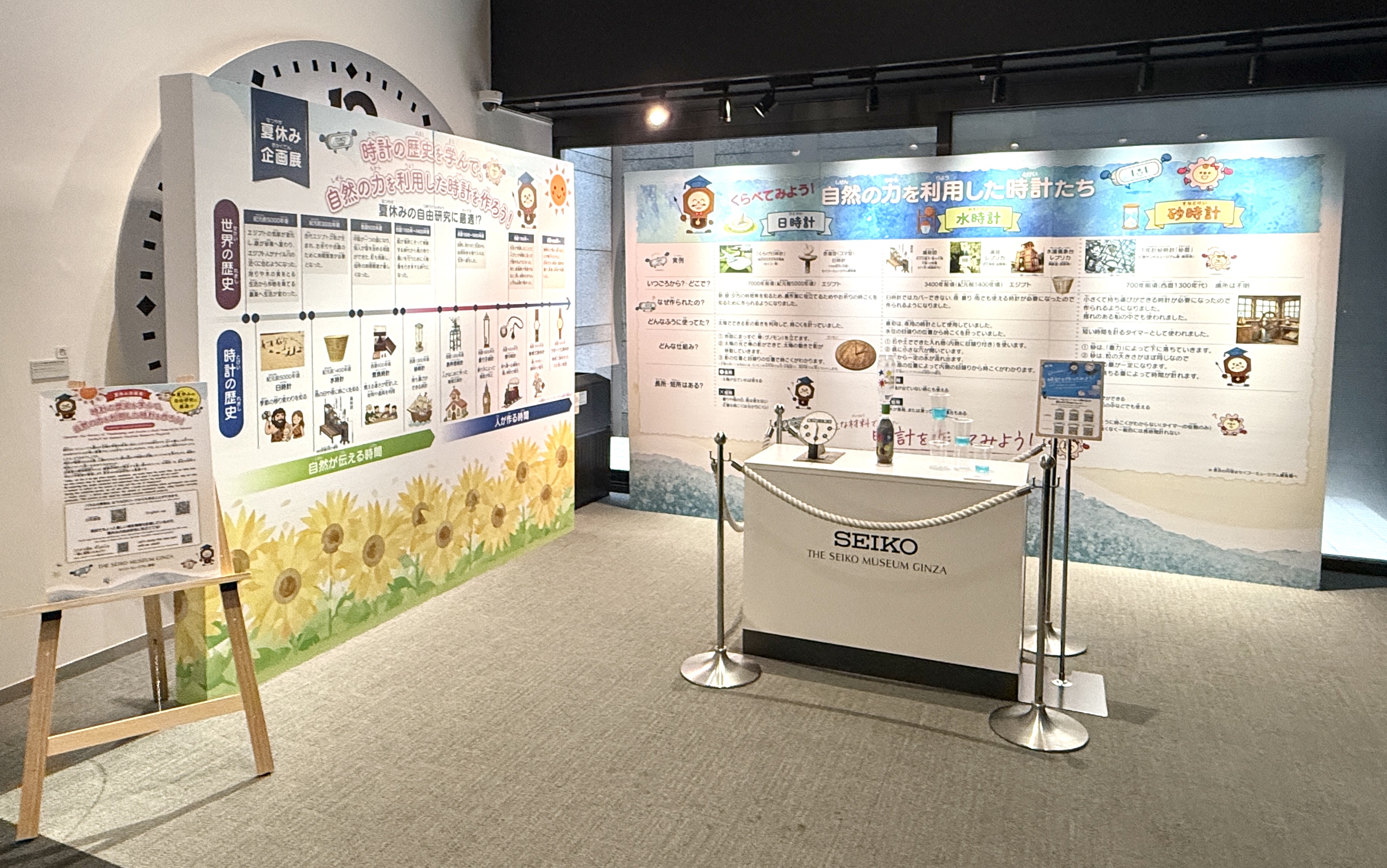
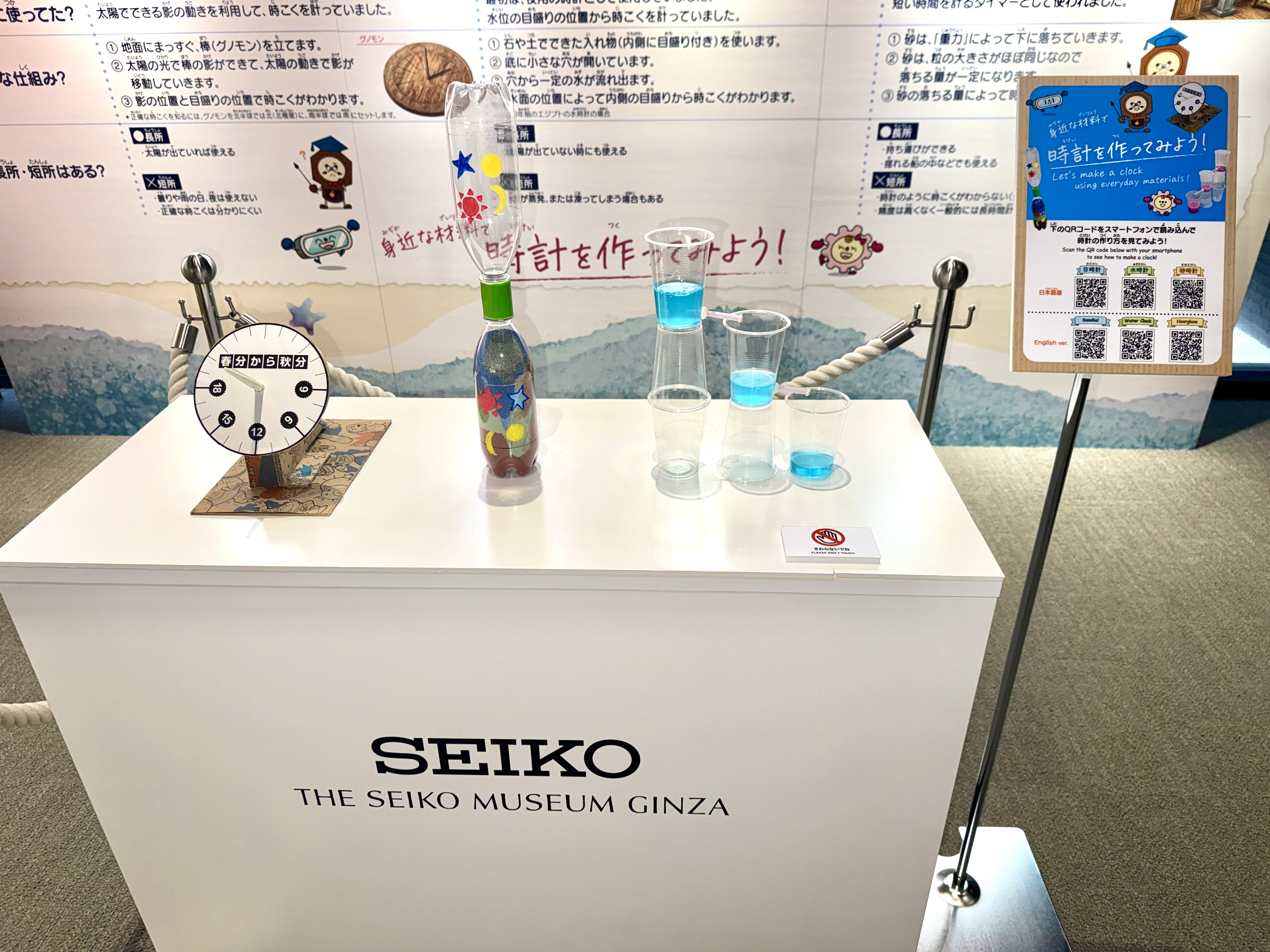
Exhibition view